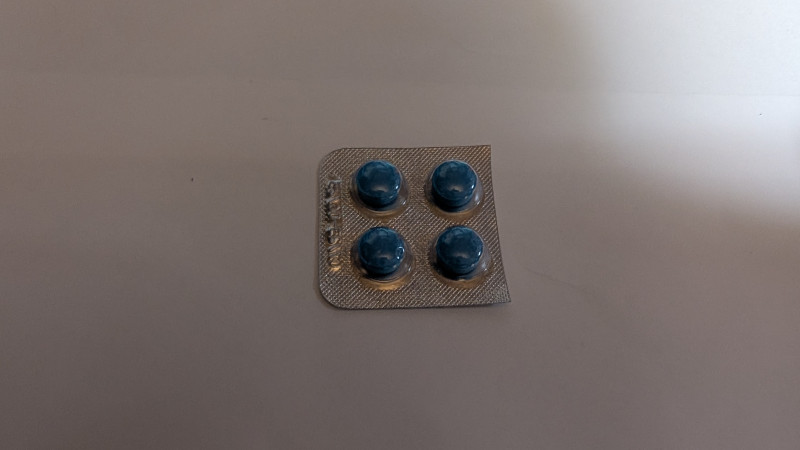
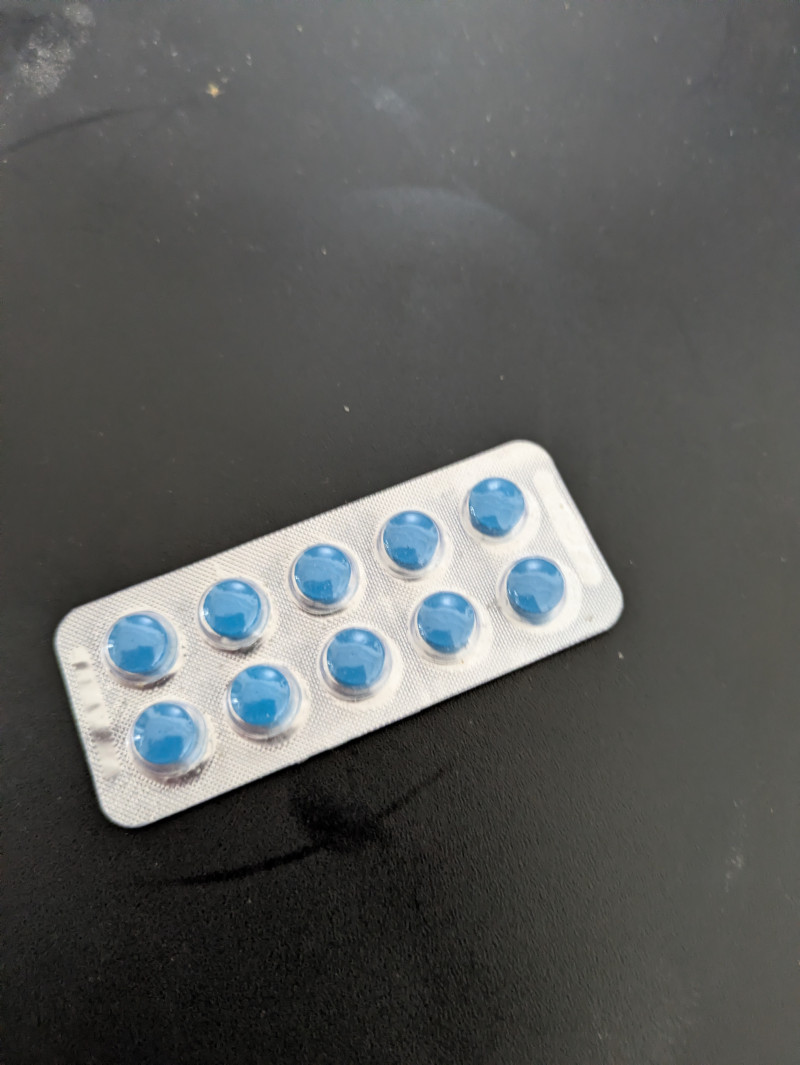
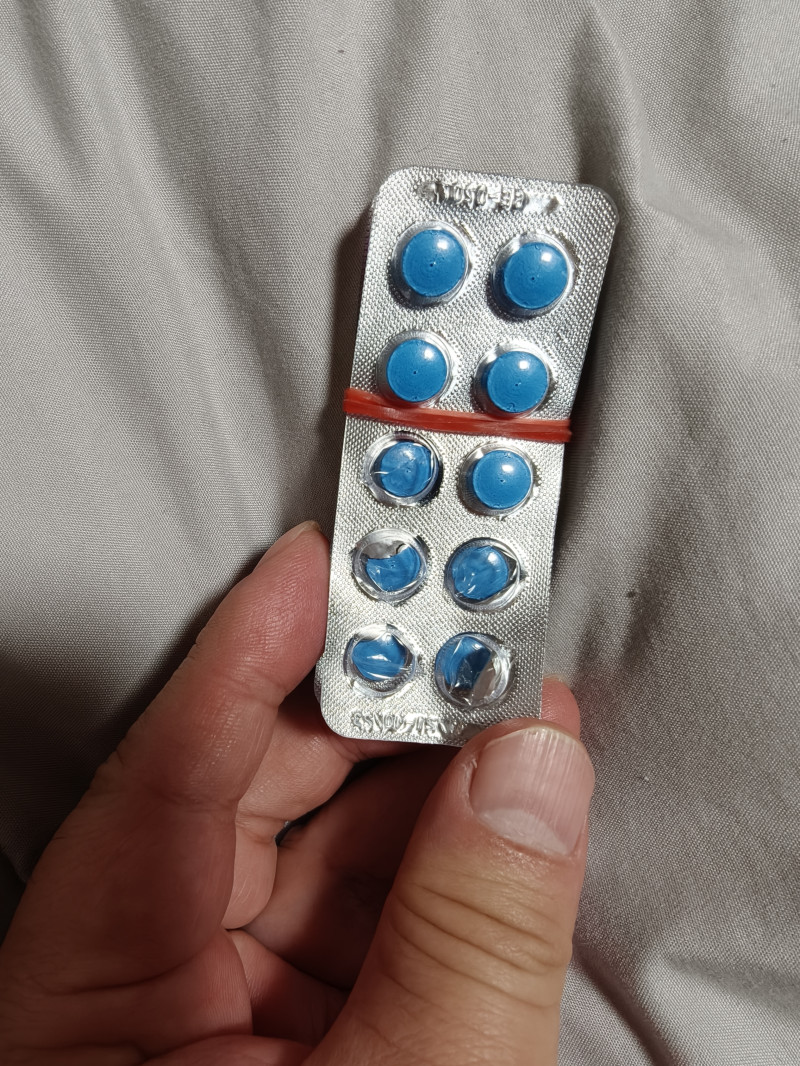
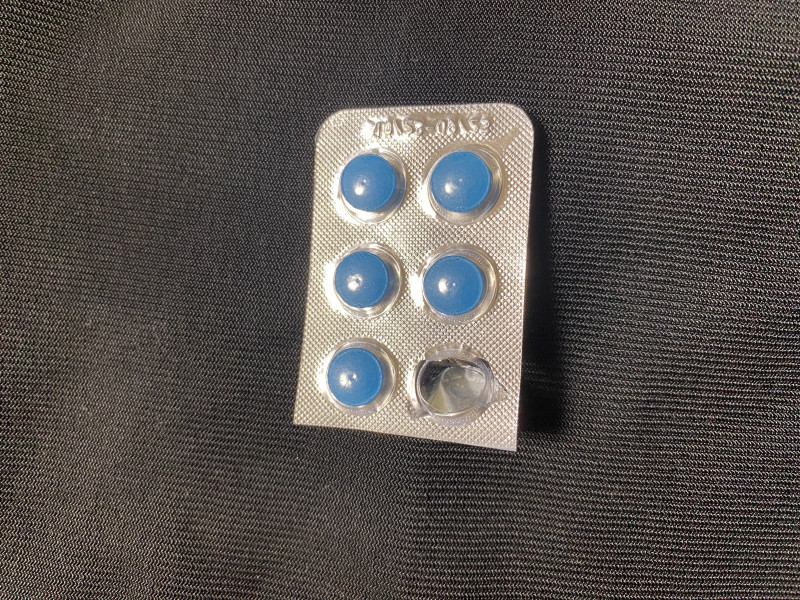
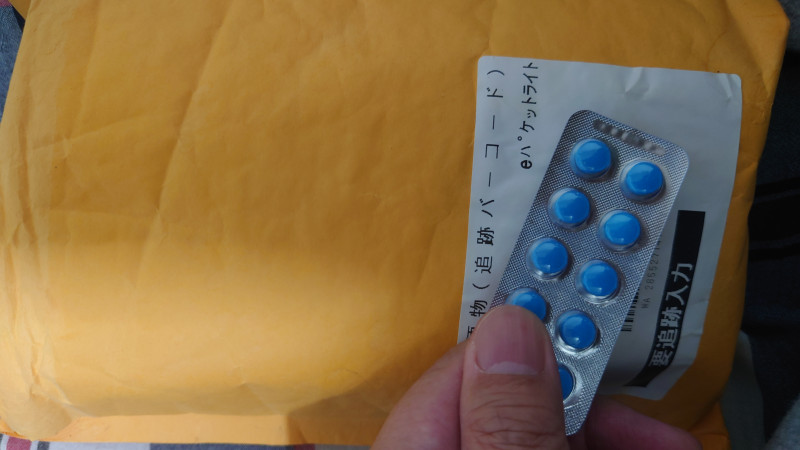
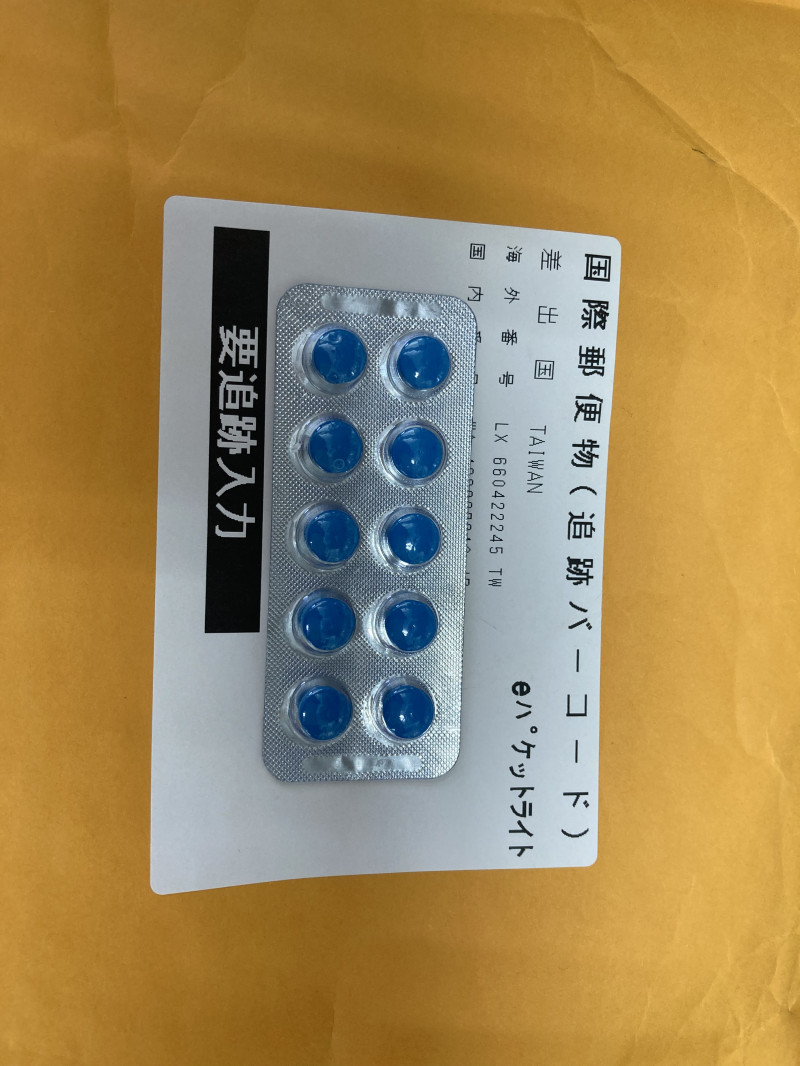
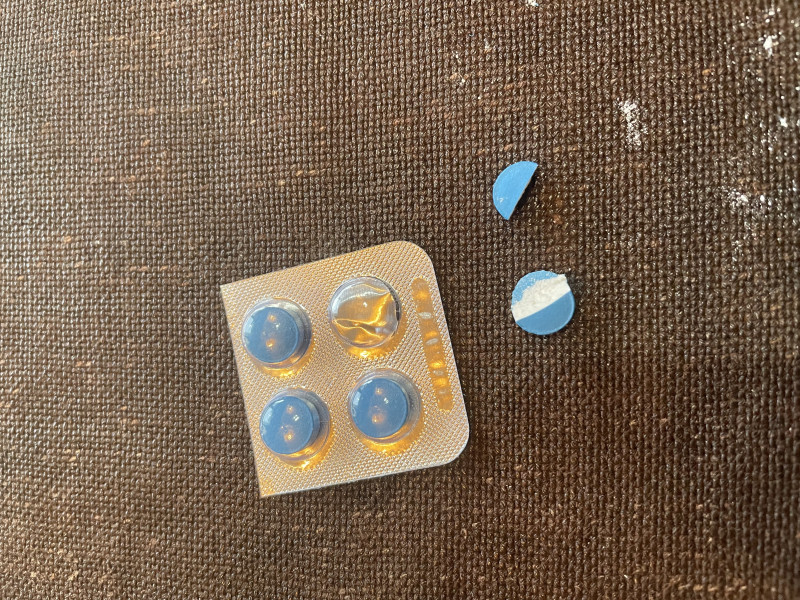
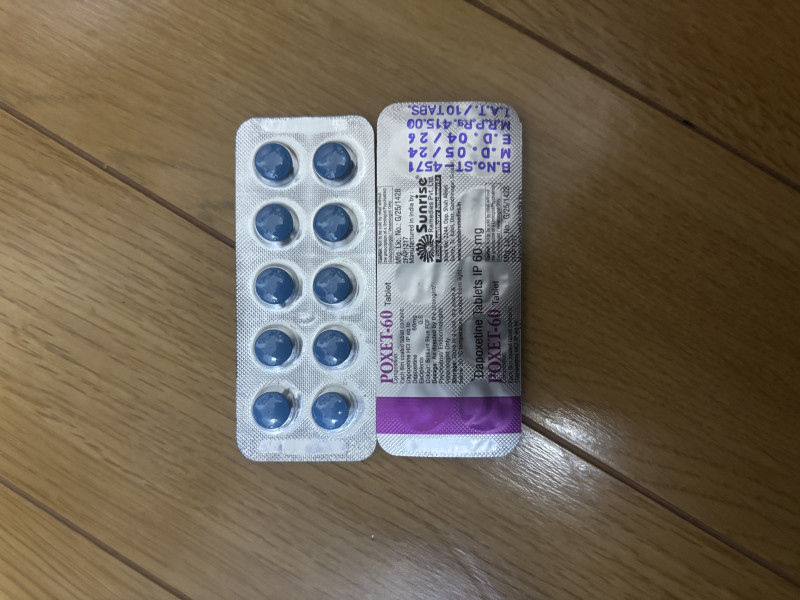
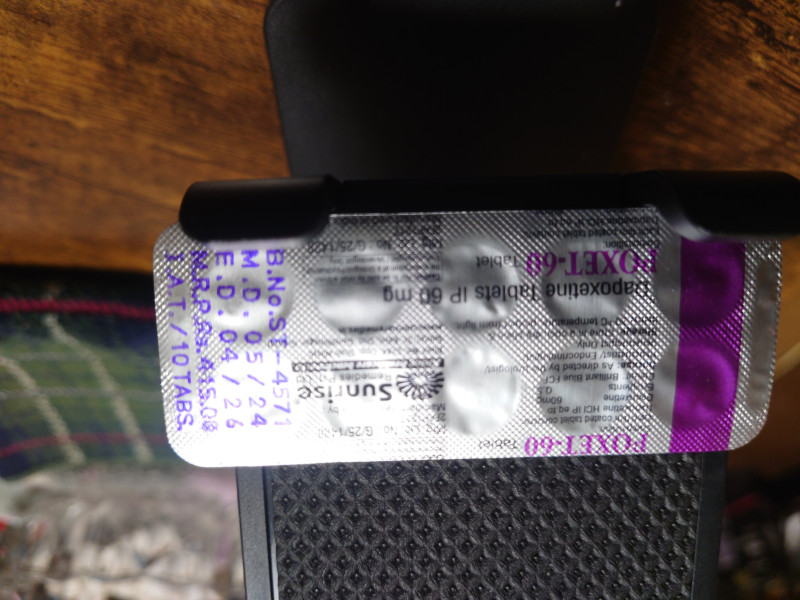
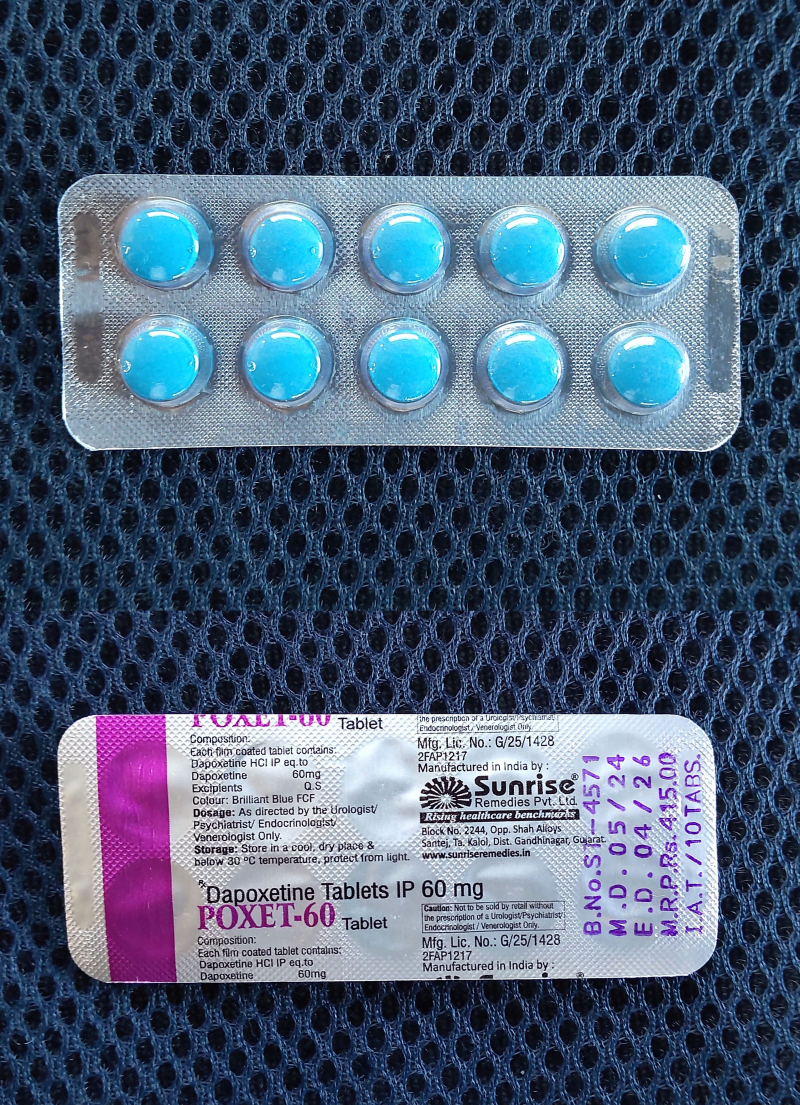
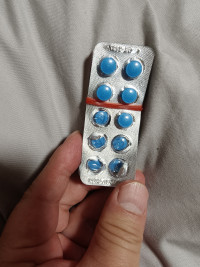
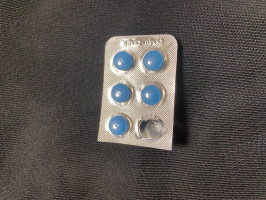
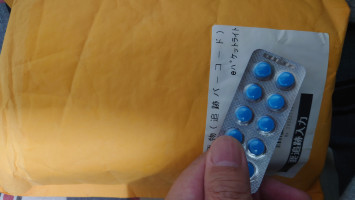
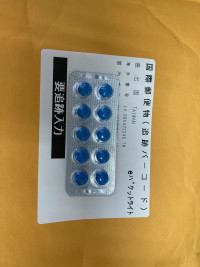
ポゼットは、プリリジーのジェネリックとして一番知名度がある早漏治療薬です。射精までの時間を3~4倍に延ばす効果があります。ダポキセチン製剤の中でも安く、2シート以上購入した場合は1錠あたりの値段は最安値になります。Sunrise Remedies(サンライズレメディーズ)社より製造販売されています。
ポゼットのご購入について
| 商品名 |
POXET(30 / 60) / Dapoxetine HCI Tablets(30 / 60)mg |
| 内容量 |
10錠 |
| 有効成分 |
Dapoxetine Hydrochloride / ダポキセチン塩酸塩 (30mg / 60mg) |
| 販売元 |
Sunrise Remedies Pvt Ltd. |
| 製造元 |
Sunrise Remedies Pvt Ltd. |
| 在庫 |
あり |
| 発送元 |
台湾 |
| 受取先 |
ご自宅、郵便局留め |
| 納期 |
7日から14日前後(入金確認後) |
| お支払方法 |
銀行振込 / クレジットカード決済 / あと払いサービス(ペイディ)※コンビニ払い対応 |
| 返品 |
返品不可。但し、誤送や明らかな破損の場合は7日以内の連絡で対応(※補償範囲と条件)。 |
| 医薬品 |
自己責任においてご使用ください。 |
- ポゼットを安心してご購入いただくための取り組み
- 偽物が混入しない安全な流通ルートを確保するために、以下の対策を徹底しております。
- (1) ご注文の取り次ぎ先となるサプライヤーが持つ医薬品の取り扱いライセンスを十分に吟味しております。
(2) 専門機関への成分鑑定依頼を定期的に行い、偽造品混入の予防に最大限努めております。
ポゼットをご注文されたお客様の声
当サイトで実際にポゼットをご注文されたお客様の声・レビューの一部を抜粋して紹介いたします。
ポゼットの口コミを全部見る
ポゼットの特徴
ポゼットは、性交時の意図しない射精による早漏を改善する早漏治療薬プリリジーのジェネリックです。
プリリジーと同じ有効成分ダポキセチンが配合されている選択的セロトニン再取り込み阻害薬です。ダポキセチンの配合量が異なる30mg錠と60mg錠があります。
ポゼットはダポキセチン製剤の中で最も値段が安く、プリリジージェネリックのなかでもよく知られている商品です。

ポゼットとプリリジー(先発薬)の参考費用
| 商品名 |
服用1回あたりの費用 |
| プリリジー60mg(先発薬) |
2,300~2,500円 |
| ポゼット60mg錠 |
330~360円 |
| ポゼット30mg錠 |
280~310円 |
プリリジー60mg錠の値段が1錠あたり2,300~2,500円なのに対して、ポゼット60mg錠の値段は1錠あたり330~360円です。服用1回あたりにかかる費用の差額は2,000円前後になります。仮に1週間に1回の頻度で4週間にわたって利用した場合、ポゼットとプリリジーでは合計の費用に約8,000円(2,000円×4)もの差がつきます。
このようにプリリジー60mg錠とポゼット60mg錠の費用を比較した場合、服用を重ねるごとに費用の差は大きくなっていきます。
ポゼット60mg錠には、プリリジー60mg錠と同量のダポキセチンが配合されており、早漏に対する有効性に明確な違いはありません。
ポゼット30mg錠の値段は1錠あたり280~310円と、ポゼット60mg錠よりさらに安くなっています。ポゼット60mg錠に比べて30mg錠の効き目は控えめですが、少ない用量からダポキセチンの効果を試してみたいという方に人気があります。
ポゼットは早漏症に対してプリリジーと同等の効果を発揮します。
ポゼットに配合されたダポキセチンの有効性は、早漏症の男性を対象に実施されたプリリジーの臨床試験で実証されています。臨床試験の内容は、膣内挿入後から射精に至るまでの時間を、試験開始の前後で比較するというものです。
対象者の射精に至るまでの平均的な時間は、試験の開始前だと0.9分(約54秒)でした。
この結果に対して、ダポキセチンを60mg配合した錠剤を服用した患者では、初回服用時だと試験前の約3倍にあたる平均2.5分、継続服用後では約4倍にあたる平均3.8分に延長されました。
一方ダポキセチンを30mg配合した錠剤だと、初回服用時で試験開始前の2.3倍にあたる平均2.1分、継続服用後では3.6倍にあたる平均3.3分まで延長しました。
プリリジーと同量の有効成分が配合されたポゼットには、臨床試験で確認された結果と同程度の早漏を改善する効果が見込めます。
ポゼットの効果
- 効能・効果
- 早漏症
- (1) 性交時の過剰な興奮を抑えて射精までの時間を延長します。
効果の目安
| 効きはじめ |
1時間後から |
| 効果のピーク |
1時間30分後から |
| 効果の持続時間 |
6時間 |
初回服用時においては、ポゼット30mg錠を服用した場合だと約2倍、60mg錠を服用した場合では約3倍ほど射精までの時間が延びます。いずれの錠剤も、性交の度に継続して服用することで、約4倍ほど射精に至るまで時間を延せます。
ポゼットは服用後1時間ほどで効き始め、さらに30分ほどかけて効果のピークを迎えます。ポゼットの効果が持続するのは服用したタイミングから6時間後までとなります。
ポゼットの効果について
ダポキセチンがセロトニントランスポーターに作用してセロトニンの濃度を増やします。
ポゼットの有効成分であるダポキセチンは、緊張や興奮を鎮めるセロトニンという物質の濃度を調節するタンパク質(セロトニントランスポーター)の働きを阻害します。ダポキセチンがセロトニントランスポーターに作用すると、体内におけるセロトニンの濃度が増加します。
セロトニンの濃度が増加したことによって、緊張や興奮を促すノルアドレナリンという物質の濃度が相対的に減少し、早漏の原因とされる過度の緊張や興奮が抑えられて射精に至るまでの時間が延長されます。
ダポキセチンが配合されている通販商品と成分について
ポゼットの飲み方(用量・用法)
下記の用量を守って、性交の1時間前に水またはぬるま湯と一緒に服用してください。
用量・用法
| 1回の用量 |
30mg錠の場合 … 1~2錠
60mg錠の場合 … 1錠
(ダポキセチンとして60mgまで) |
| 1日の服用回数 |
1回まで |
| 服用間隔 |
必ず24時間空けること |
| 服用のタイミング |
性交の1時間前 |
性交の1時間前までにポゼットを服用します。効果のピークと性交のタイミングを合わせる場合は、1時間半前に服用してください。
ポゼットは食前・食後どちらでも服用できますが、アルコールを摂取する場合は極少量に控えましょう。服用前後の過剰な飲酒は、ポゼットの薬効を増強させてしまうことがあります。
ポゼットの飲み方について
- ポゼットの保管方法
- 光、温度、湿度などにより、効果が損なわれる場合があります。以下を守って保管してください。
- (1) 高温多湿を避けて、直射日光があたらないところで保管してください。
(2) 日中に長時間にわたって車中に置かないようにしてください。
(3) お子様の手が届かないところで保管してください。
(4) 使用期限を過ぎた場合は破棄してください。
- ポゼットの副作用
- <主な副作用>
吐き気、めまい、頭痛、口の渇き、下痢、傾眠、疲労、不眠、起立性低血圧症(立ちくらみ)、鼻づまりなど。
- 副作用は、セロトニンの増加に伴って起こります。めまい、頭痛、吐き気、下痢などが主な副作用です。
セロトニン受容体は消化管にあるため、消化器系の副作用が出やすくなります。これらの副作用は一時的なものであり、効果がなくなると副作用も自然に治まります。
- ポゼットの副作用について
- ポゼットの注意事項
- <使用禁忌>
下記に該当する方は使用しないでください。
ダポキセチンに過敏症がある、心不全、重度の虚血性心疾患(狭心症、心筋梗塞)、心臓弁膜症、房室ブロック、洞不全症候群、躁うつ病、てんかん、起立性低血圧や失神を起こしたことがある、遺伝性ガラクトース不耐症、ラップラクターゼ欠損症またはグルコースガラクトース吸収不良症、未成年、高齢者(65歳以上)
- <使用注意>
下記に該当する方は使用前に医師に相談してください。
腎障害、眼圧が高い、出血や血液凝固を起こしたことがある
- <併用禁忌薬>
下記の薬品を服用中の方は使用前に医師に相談してください。
抗真菌薬(ケトコナゾール、イトラコナゾールなど)、抗HIV薬(リトナビル、サキナビル、ネルフィナビル、アタザナビルなど)、抗生物質(テリスロマイシンなど)、抗うつ薬(MAO阻害薬、3環系抗うつ薬など)、抗精神病薬(チオリダジンなど)、SSRI、SNRI、セロトニン作動性をもつ成分(Lトリプトファン、トリプタン、トラマドール、リネゾリド、リチウム、セイヨウオトギリソウなど)
ポゼットのQ&A
-
- ポゼットの成分は?
- ポゼットに含まれるダポキセチンは、世界で唯一の早漏防止薬として認可されている成分です。SSRI(選択的セロトニン再取り込み阻害薬)であり、抗うつ薬と同じ部類の薬です。セロトニンを増やして不安や緊張を緩和します。他のSSRIに比べて作用時間が短く、抗うつ効果よりも早漏防止効果に優れています。成分量は30mgと60mgの2種類があります。
-
- ポゼットの効能は?
- ポゼットは挿入から射精までの時間を約3~4倍に延長し、早漏を改善する効果があります。射精は性的興奮とともに交感神経が高まって起こります。早漏では過剰な緊張や興奮によって交感神経が強く働きます。ポゼットは、鎮静作用のあるセロトニンを増やすことで交感神経を抑え込みます。意図しない射精を防ぎ、挿入時間を延ばして性交の満足度を高められます。
-
- ポゼットの効果時間は?
- ポゼットは飲み始めてから1時間ほどで効き始め、その後5時間ほど効果が持続します。薬が体内に吸収される量とともに効果が増していき、1時間半後にピークを迎えます。性交の1~3時間前に服用すれば効果が得られます。飲み始めてから最初のうちは効き目が実感しにくい場合があります。数日~数週間にわたって継続服用することで効果が出やすくなります。
-
- ポゼットの服用方法は?
- ポゼットは30~60mgを性交の1時間前に服用します。食事の影響を受けないので、食前・食後どちらでも構いません。初めて使用する場合は30mgから飲み始めましょう。60mg錠であればピルカッターなどで半錠に割ってください。副作用がない場合に限り、必要に応じて60mgに増量できます。使用後は次の服用までに24時間以上の間隔をあけてください。
-
- バイアグラとポゼットの併用は?
- ポゼットはバイアグラなどのED治療薬と併用できます。早漏とED(勃起不全)は併発しやすく、年配の男性を悩ませる二重苦と言えます。早漏防止薬とED治療薬の併用に問題はなく、双方の効果を同時に得られます。ポゼットとバイアグラの効果時間はほぼ同じですので、一緒に飲めます。バイアグラは食事の影響を受けるため、併用の際には空腹時を選びましょう。
-
- ポゼットのデメリットは?
- 主な副作用として吐き気、めまい、頭痛、口の渇き、下痢などの症状が報告されています。まれに傾眠、疲労、不眠、立ちくらみなどの副作用が出る可能性もあります。ポゼットの副作用はSSRI特有の症状で、体内のセロトニン濃度が急激に変化することによって起こります。時間の経過と共に解消されますが、長く続く場合は医師の診察を受けてください。
-
- ポゼットの注意点は?
- 水分が不足した状態でポゼットを服用すると、めまいやふらつき、失神が起こる危険性があります。服用の際にはできるだけ多めの水やぬるま湯で飲みましょう。脱水症状が起きている場合はポゼットを使用できません。4~6時間ほど水を飲んでいなかったり、長時間にわたって汗をかいている場合は危険です。下痢や高熱などの体調不良がある場合も使用を控えましょう。
-
- ポゼットと飲酒はNG?
- ポゼットを服用する時は、アルコールの摂取を避けてください。有効成分ダポキセチンはアルコールとの飲み合わせがよくありません。アルコールを一緒に飲むと強い悪酔い状態を引き起こす可能性があります。吐き気や頭痛などの症状が現れ、発作により転倒したり意識を失う可能性もあります。ポゼットを使う場合、水やお茶などアルコールを含まない物を飲みましょう。
-
- ポゼットの製造国や製造元は?
- ポゼットの製造国はインドで、アフマダーバードに本社を置く製薬会社サンライズレメディーズによって製造されています。同社は1995年に設立された比較的あたらしい製薬会社です。WHOおよびGMP認定の製造工場があり、ED治療薬や早漏防止薬の製品に力をいれています。他にも一般用医薬品、ヘアケア、スキンケアなどさまざまな商品を展開しています。
-
- ポゼットはどこで売ってる?
- ポゼットを購入できるのは、一部の自由診療クリニックおよび個人輸入代行サービスです。有効成分ダポキセチンは日本国内で未承認の薬であり、保険診療による病院処方は行われていません。薬局やドラッグストアなどの量販店、Amazonや楽天での取り扱いもありません。購入手段は男性専門クリニックなどの自由診療、代行サービスを使った個人輸入となります。