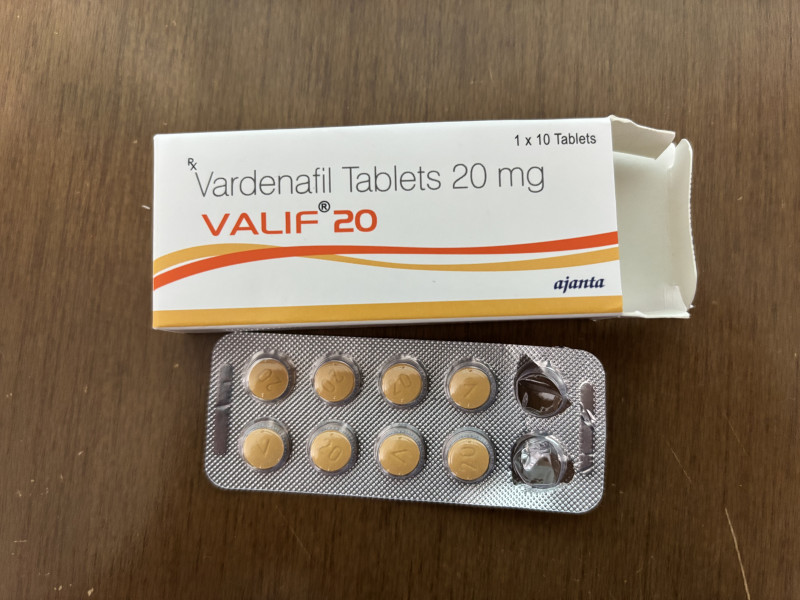
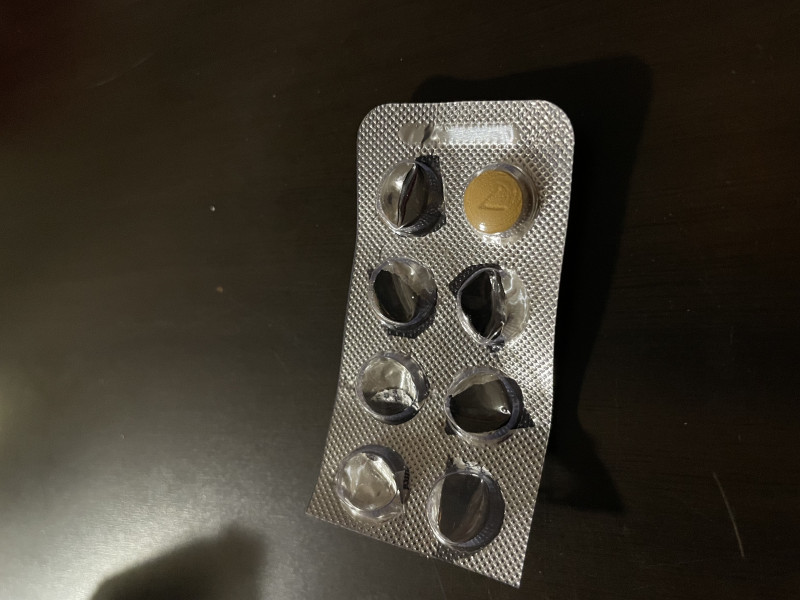
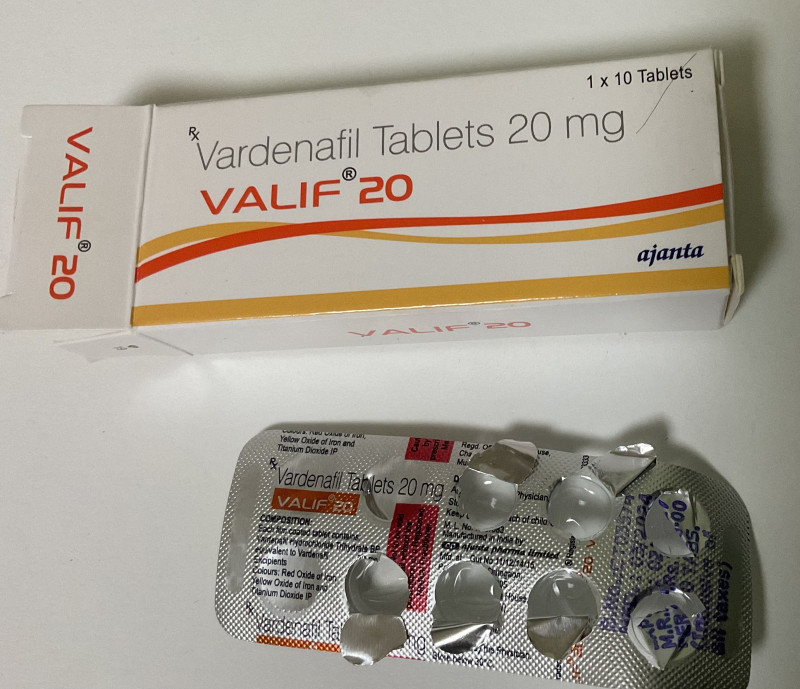
ペンギンさん
に投稿
シーンで使い分けよう!
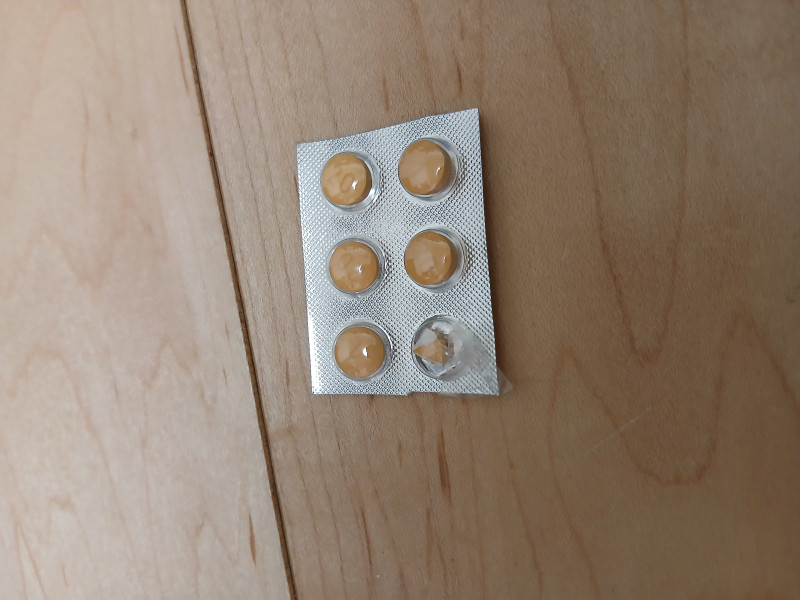
初めて注文して2週間で届き、カマグラゴールド、バリフとも効果には驚きました。
今後は使用シーンで使い分けます。


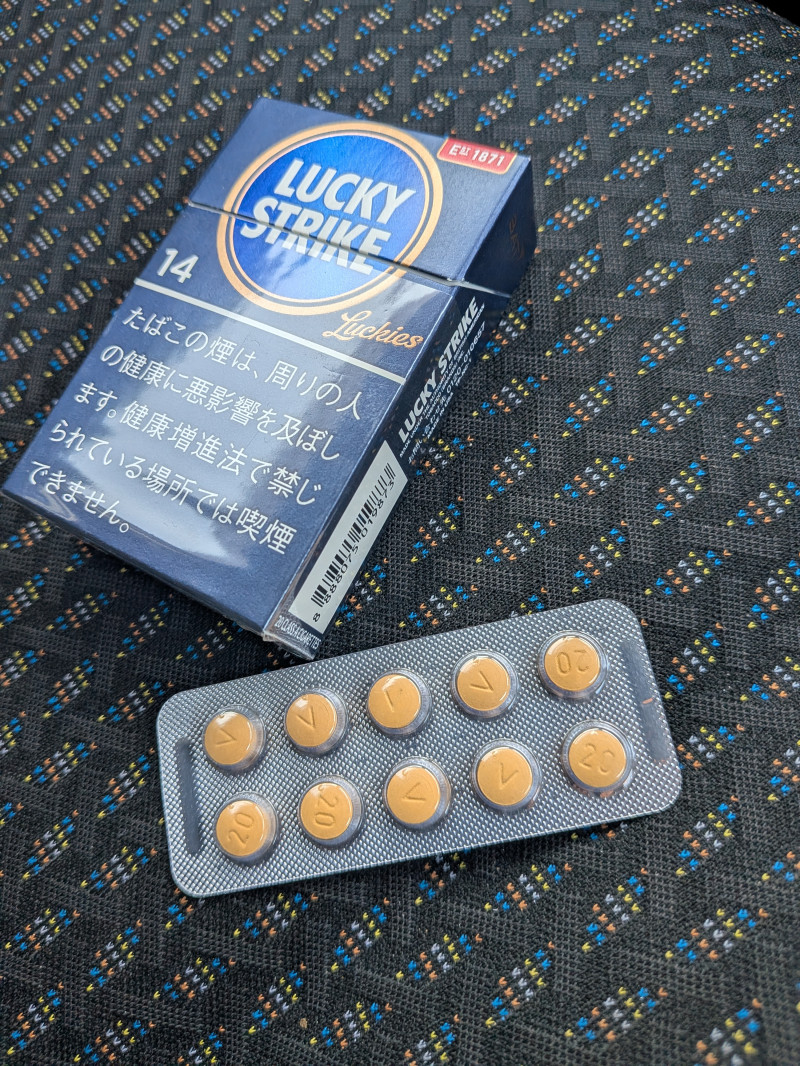
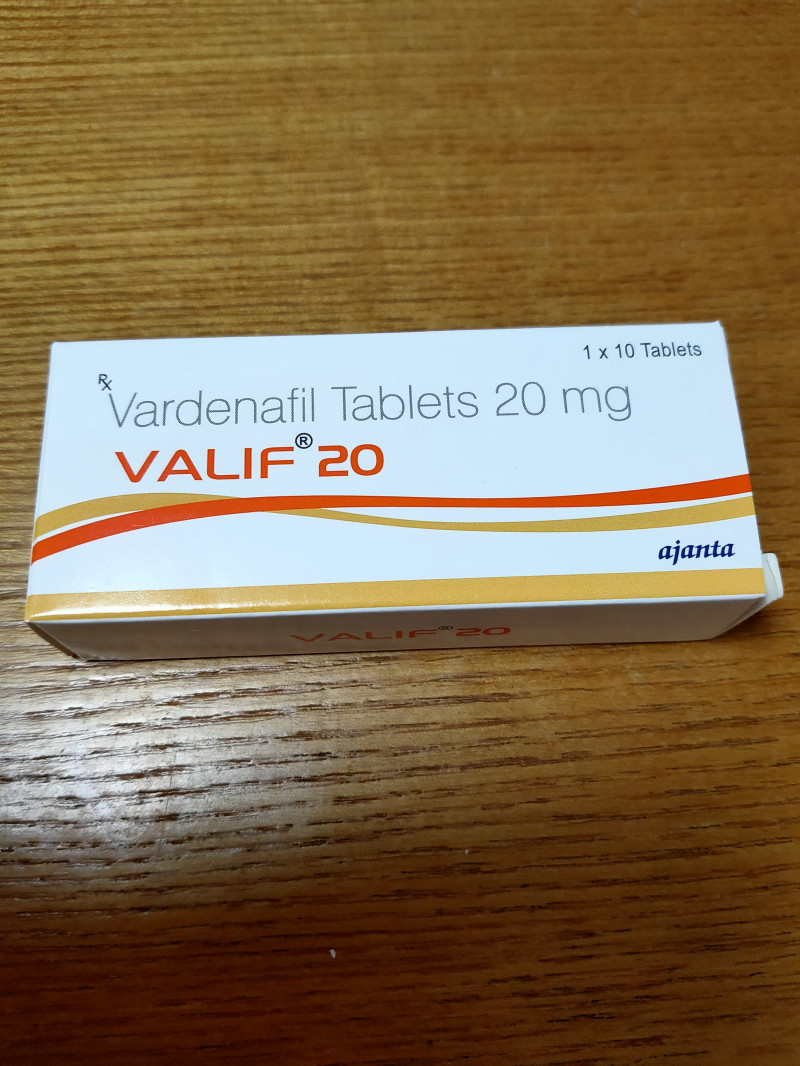
バリフには20mgがあります。


| 数量 | 通常価格 | 通販特価 | 1錠あたり | ご注文 |
|---|---|---|---|---|
| 1 |
2,490円
|
249円 | ||
| 2 |
|
20%OFF
3,984円
|
199円 | |
| 3 |
|
25%OFF
5,602円
|
187円 | |
| 12 |
|
40%OFF
17,928円
|
149円 |
バリフは、レビトラのジェネリック医薬品として最も知名度の高いED治療薬です。先発薬と同じ有効成分バルデナフィルを配合しており、勃起不全に優れた効果を発揮します。さらに、大幅に安い価格で購入できるため、コストパフォーマンスに優れた製品です。バリフは、インドのAjanta Pharma(アジャンタファーマ)社が製造・販売しています。
売れ筋のジェネリックED薬3種セットです。バリフ、カマグラゴールド、タダシップの割引セットに、無料でピルカッターが付きます。ジェネリックED薬の飲み比べや入門セットとしておすすめです。
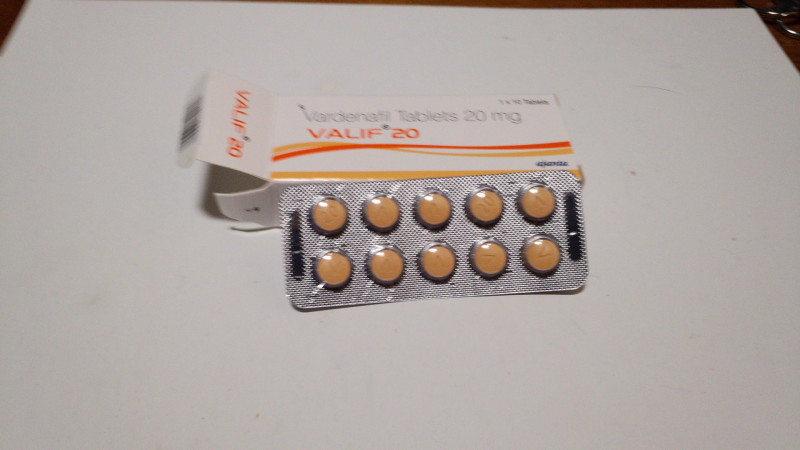
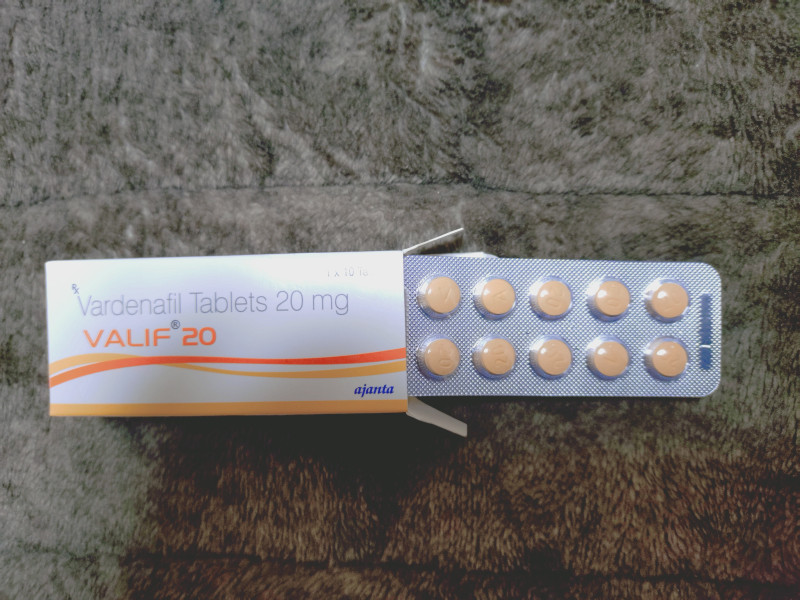
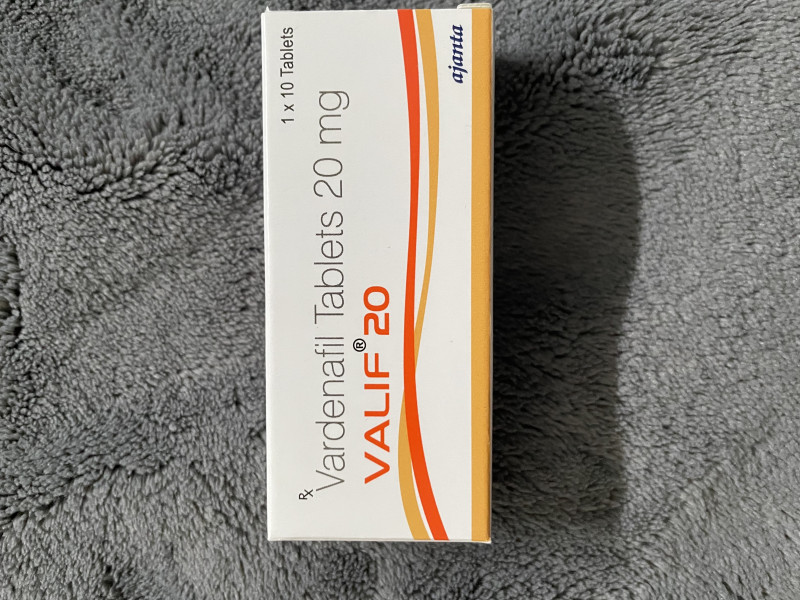
| 商品名 | VALIF 20 / Vardenafil Tablets 20 mg |
|---|---|
| 内容量 | 10錠 |
| 有効成分 | Vardenafil (Vardenafil Hydrochloride Trihydrate) / バルデナフィル塩酸塩水和物 |
| 添付文書 | バリフ 20mg 添付文書(PDF:46.3KB) |
| 販売元 | Ajanta Pharma Limited |
| 製造元 | Ajanta Pharma Limited |
| 在庫 | あり |
| 発送元 | 台湾 |
| 受取先 | ご自宅、郵便局留め |
| 納期 | 7日から14日前後(入金確認後) |
| お支払方法 | 銀行振込 / クレジットカード決済 / あと払いサービス(ペイディ)※コンビニ払い対応 |
| 返品 | 返品不可。但し、誤送や明らかな破損の場合は7日以内の連絡で対応( ※補償範囲と条件)。 |
| 医薬品 | 自己責任においてご使用ください。 |

薬の通販オンラインで取り扱うバリフは、香港標準及び検定センター(STC)の成分鑑定により安全性と品質が確認されています。ただし、一般的に医薬品1錠に含まれる成分量には微量な誤差が生じることがありますので、ご了承ください。

| サンプル | Valif 20mg 10 Tab. |
|---|---|
| 検査日 | 2024-07-18 to 2024-07-19 |
| 検査項目 | Vardenafil |
| 検査方法 | 高速液体クロマトグラフィー |
| 検査結果 | Vardenafil 18.6 mg / tablet |

当サイトで実際にバリフをご注文されたお客様の声・レビューの一部を抜粋して紹介いたします。
初めて注文して2週間で届き、カマグラゴールド、バリフとも効果には驚きました。
今後は使用シーンで使い分けます。
普段はカマグラゴールドを使用しており、今回初めてバリフを利用しましたが、全く効果を感じられませんでした。
服用後多少の鼻づまりの副作用を感じるくらいで、肝心の勃起力については、普段と全く変わりない状態でした。
カマグラも含めこの手の薬は服用のタイミングが難しいようなので、2回服用を試し、2回目は食後8時間以上の空腹時に服用してみましたが、結果は同じだったので、私の体質には合わないようです。
一箱に10錠入っているので、コストパフォーマンスがいいと思い購入してみました。効果を感じれる方にはとてもお得な薬だと思います。

バリフは、迅速な効果発現で知られる勃起不全治療薬レビトラのジェネリック薬です。レビトラと同様に有効成分バルデナフィルを含んでいるため、同等の効果が期待できます。バリフは先発薬レビトラと比較して1/11以下の価格(1錠あたり)で購入でき、効果も確実です。そのため、コストパフォーマンスに優れたジェネリック薬として人気があります。
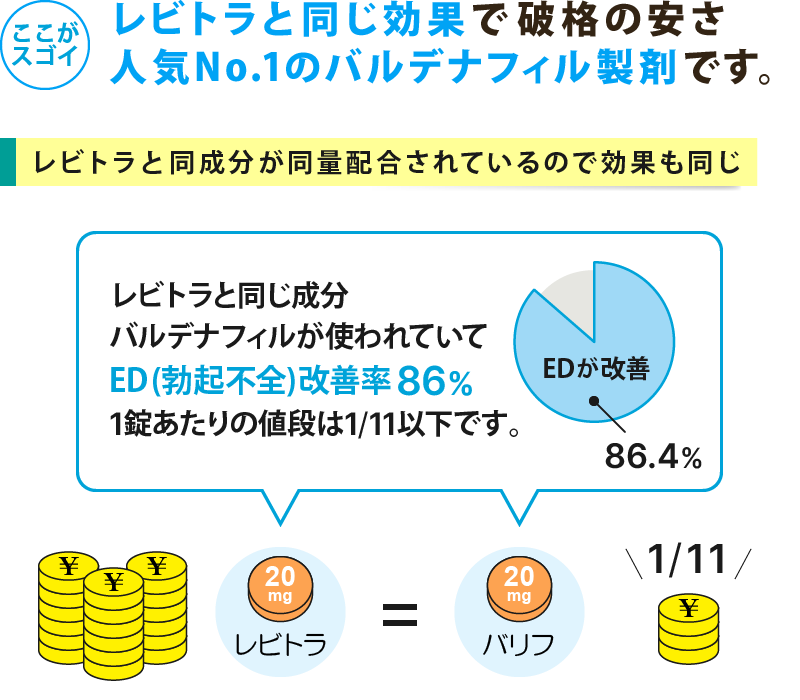
バリフは、先発薬であるレビトラと同じ有効成分バルデナフィル20mgを含んでおり、同等の効果が期待できます。価格面でもレビトラと比べて大幅に安く、コストを重視する方にとって魅力的な選択肢です。
レビトラは日本での販売が終了しており、現在購入できるのは海外版のみです。海外版レビトラ20mg錠は、4錠入りで16,480円と比較的高価です。一方、ジェネリック医薬品であるバリフは、10錠入りで2,490円と大幅に低価格です。1錠あたりの価格を比較すると、レビトラの約1/11と非常にお得であることがわかります。
| 商品名 | レビトラ(20mg) | バリフ |
|---|---|---|
| 価格 | 11,098円 | 2,490円 |
| 内容量 | 4錠 | 10錠 |
| 1錠あたり | 2,775円 | 249円 |
さらに、当サイトでまとめ買いをすると、バリフの価格は1錠あたり149円まで下がります。優れたコストパフォーマンスから、バリフはレビトラジェネリックの中でも抜群の人気を誇る製品です。
バリフはインドを拠点に事業展開する大手製薬会社アジャンタファーマの製品です。アジャンタファーマは世界30ヵ国で事業を展開しており、その製品は安全性が高く安心して使用できます。バリフも例外ではなく、安心して使用できる優れたジェネリック医薬品です。多くの地域に輸出されており、レビトラと同等の効果を格安で得られることから、利用者から高い評価を受けています。
有効成分バルデナフィルは、勃起不全の症状を改善します。臨床試験により、その有効性が確認されています。バルデナフィル20mg錠を服用した被験者の86.4%に症状の改善が見られました。バリフにも、同じ量のバルデナフィル(20mg)が配合されています。
バルデナフィルは水に溶けやすい性質を持ち、服用後すぐに効果が現れる特徴があります。具体的には、服用後約15分で効果が発現します。他のED治療薬は、効果を実感するまでに30分から1時間ほどかかるため、バルデナフィルの即効性が際立ちます。
従来のED治療薬では、食事に含まれる脂肪分が成分の吸収を妨げ、食事の前後2時間以内に服用すると効果が減少することがありました。しかし、バルデナフィルは、摂取カロリーが700kcal以下で脂質の割合が30%を超えない食事であれば、食前・食後に関係なく十分な効果を発揮します。
| 効きはじめ | 15分後から |
|---|---|
| 効果のピーク | 45分後から |
| 効果の持続時間 | 8時間 |
バリフは、勃起不全の治療薬です。服用後約15分で効果が現れ、勃起不全の症状を改善します。効果が持続している間、性的興奮によって勃起が促され、興奮が冷めると勃起も自然に収まります。
バリフの有効成分であるバルデナフィルは、1錠あたり20mgが配合されています。この量で服用すると、効果は約8時間持続します。また、半錠(10mg)で服用した場合の持続時間は約5時間です。
バリフの有効成分であるバルデナフィルは、勃起を促す環状グアノシン一リン酸(cGMP)を分解するホスホジエステラーゼ5(PDE5)の働きを抑制します。cGMPは血管を拡張させて陰茎を勃起させる酵素です。一方、PDE5は興奮が鎮まった後に多く分泌され、勃起を収める働きをします。
cGMPの量が減少すると、性的に興奮している状態でもPDE5が優位になり、勃起不全が起こります。バリフはPDE5の働きを妨げることで、cGMPの作用を持続させ、勃起しやすい体内環境を作ります。
下記の用量を守って、性交の1時間前に水またはぬるま湯と一緒に服用してください。
| 1回の用量 | 10mg錠の場合 … 1~2錠 20mg錠の場合 … 1/2~1錠 (バルデナフィルとして10~20mg) |
|---|---|
| 1日の服用回数 | 1回まで |
| 服用間隔 | 必ず24時間空けること |
| 服用のタイミング | 性交の1時間前 |
バリフを初めて服用する際の推奨用量は、バルデナフィルとして10mg、つまり1錠の半分です。10mgで効果が不十分であり、身体への負担が許容範囲内であれば、次回から用量を1回20mgまで増やすことができます。ただし、高齢者(65歳以上)や中等度の肝障害がある場合は、初回の用量を5mgとし、次回以降の用量を10mgまでに留めてください。
服用のタイミングは性行為の約1時間前が基本です。空腹時に服用すると効果が早く現れますが、700kcal以下の低脂肪食であれば食後でも問題ありません。服用の頻度(上限)は1日1回までとし、24時間以上の間隔を空けるようにしてください。
バリフとチトクロームP450 3A4を阻害する薬剤(マクロライド系抗生物質)またはα遮断薬を併用する場合は、1回5mgの用量が推奨されています。特にマクロライド系抗生物質と併用する場合、用量は1回5mgが上限です。α遮断薬を併用する際は、医師に相談のうえ、1回5mgの用量から服用を開始してください。
これらの薬剤はバリフとの併用時に血圧低下のリスクが高まるため、低用量への調整を必ず行うようにしましょう。
バリフと一緒に硝酸剤や一酸化窒素(NO)供与剤を服用してはいけません。硝酸剤やNO供与剤(ニトログリセリン、亜硝酸アミル、硝酸イソソルビド、ニコランジル等)を併用すると、相互作用により降圧効果が増強します。過度な血圧低下を招きますので、服用する前後においても、硝酸剤または一酸化窒素(NO)供与剤を服用していないか確認しましょう。
また、心血管系障害がある方は服用が禁じられています。心筋梗塞など、命の危険に関わる重症例に発展する恐れがあります。バリフを服用する前に、心血管系障害がないかどうか十分に確認を行ってください。
次に当てはまる方はバリフを服用できません。
次に当てはまる方はバリフを服用する前に医師に相談してください。
併用禁忌とは一緒に飲んではいけない薬です。併用すると重篤な副作用が発生する場合があります。バリフと併用しないでください。
併用注意とは飲み合わせの悪い薬です。併用すると(1)作用の減弱、(2)副作用の増強など、体に悪い影響がでるおそれがあります。注意しながら使うか、併用は避けることが望ましいでしょう。
バリフの副作用は、ほてりや頭痛といった軽度かつ一時的な症状が大半です。
副作用が発症したとしても、服用から4時間ほどで有効成分血中濃度が半減し、多くの場合で症状は軽快します。
バリフは、高い効果と即効性を兼ね備え、食事の影響も受けにくいED治療薬として、多くのユーザーから絶賛されています。服用後15~30分という短時間で効果が現れ、5時間~8時間、あるいは翌日まで効果が持続するため、一晩で複数回の性行為を楽しめたという声や、若い頃のような勃起力を取り戻せたという声が多数寄せられています。ユーザーからは「硬さがすごい」「自信が持てるようになった」「もう手放せない」といった喜びの声が聞かれ、人生に活力と自信を取り戻す強力なパートナーとして、バリフは高い評価を得ています。
お客様の投稿に基づきAIが生成した内容です。記載されている感想や意見はお客様個人のものであり、医学的な根拠を保証するものでは ありません。また、当サイトの見解を示すものでもありません。使用に際しては、医師または薬剤師にご相談ください。バリフは多くのユーザーから効果の高さを評価されています。服用後、短時間で勃起力が向上し、持続時間も長いため、複数回の性行為が可能になったという声が多く聞かれます。中には、20代のような勃起力を取り戻せたという声や、年齢を重ねても自信を取り戻せたという声も上がっています。
バリフは多くのユーザーから即効性の高さを評価されており、服用後15分~30分程度で効果を実感したという声が多数寄せられています。 中には、10分程度で効果が現れたという報告や、シャワー中に効果が現れ始めたという報告、デート中に効果が現れ始めたという報告もみられます。 バリフは、急な誘いにも対応できる即効性の高いED治療薬として、多くのユーザーから支持を得ています。
バリフは、食事の影響を受けにくいという点も多くのユーザーから支持を得ています。食後でも効果を実感できたという声や、食後の服用でも問題なく勃起力を維持できたという声が多数寄せられています。食事のタイミングを気にせず服用できる点は、忙しい毎日を送るユーザーにとって大きなメリットと言えるでしょう。
15分後からジワジワ来ます。
その後は元気いっぱいで安定します。
効果は1日ぐらいありそうです。
なかなか良いと思います!!
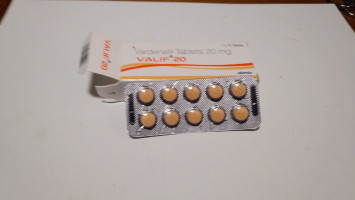
半錠の10mg服用でのレビュー。
勃起度:カマグラゴールド程ガッチガチにはならないが、効果は十分。
持続時間:8時間と記載があるがそれ以降も勃ちが良くなる気が。
副作用:光が強く感じ、鼻閉感が若干あり。
服用後の飲酒はいつもより酔いが回る。
錠剤が小さい為、ピルカッターでも綺麗に割れない事が多々あり。
当方、45歳、体重70kg。
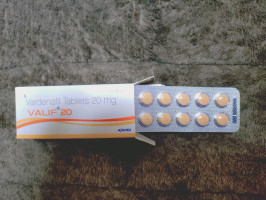
中々の、商品ですが、今ひとつです‼️
やっぱり、バイヤグラに、戻ります、お高いですが‼️
前回注文したのを使い切りました。
効果は確かにありました。が加齢のせいか若い頃の様には硬くはなりませんでした。なので星は4個としました。
副作用は顔の火照り、鼻詰まりくらいで軽いと思います。
過度な期待をしないで使った方がいいかな。と思いました。個人差はあると思いますがバキバキに勃つのを期待しすぎないで気楽に使用した方が良さそうです。
また、注文します。
飲んでからきちんと
大きくなるがもう少しかなって感じです
これかなりいい商品です。食事に左右されないですし、勃起度ももちも最高です。
デメリットは鼻詰まりですかね
普段はカマグラゴールドを使用しており、今回初めてバリフを購入しました、効果を感じられたが、服用後鼻づまりと頭痛の副作用を感じました、勃起力は、カマグラゴールドと変わりない感じでした。
この薬は私の体質には合わないようです。
一箱に10錠入っているので、コストパフォーマンスは良いです。
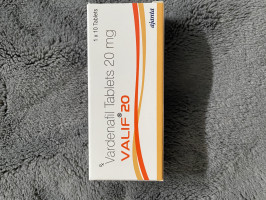
四分の一にして利用してますが、十分効果があります。即効性があるのですごく使いやすいです。