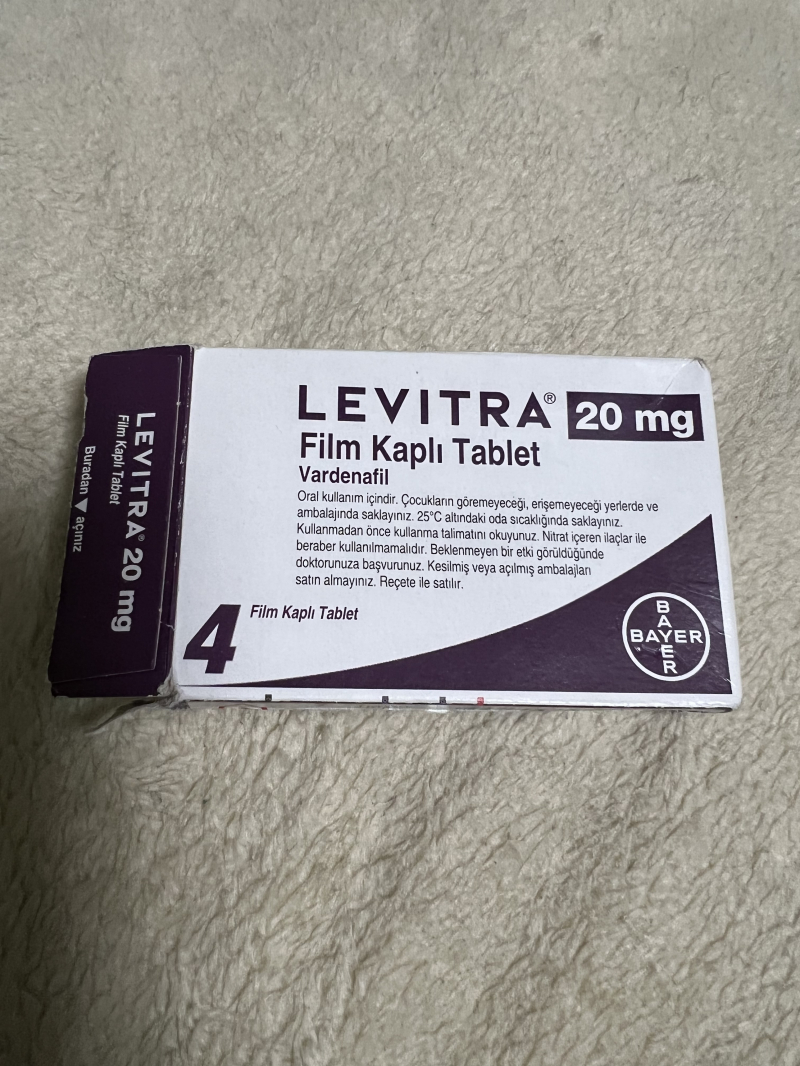
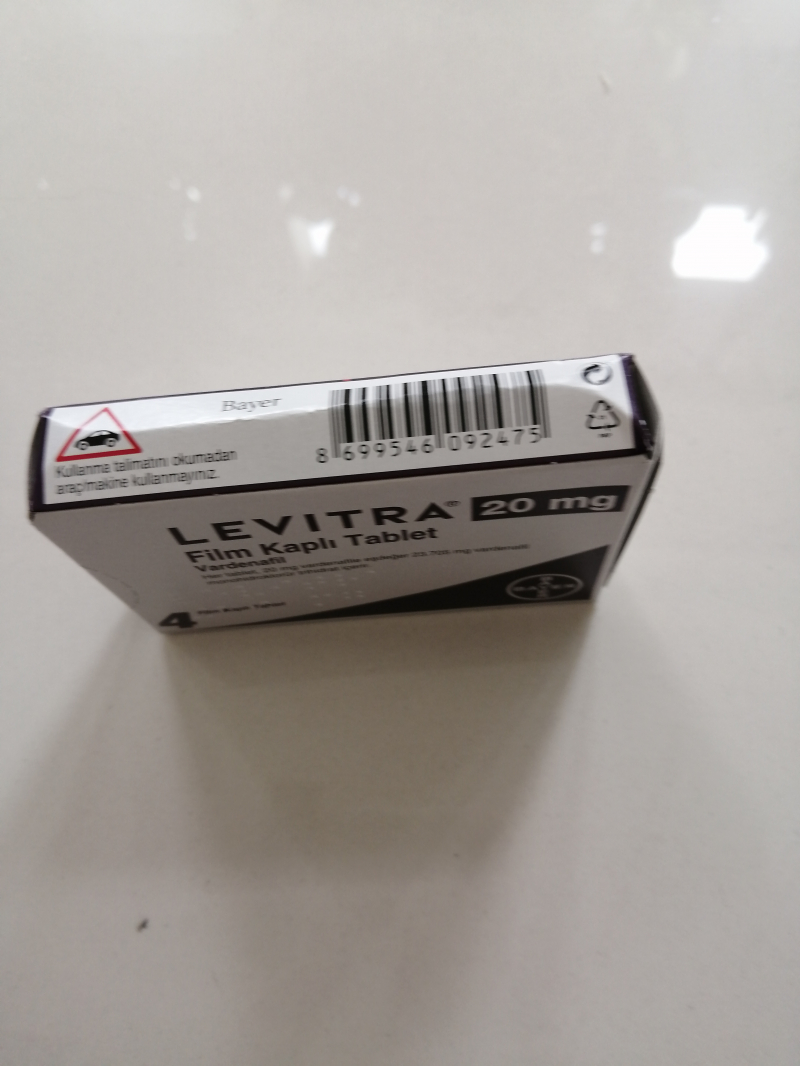
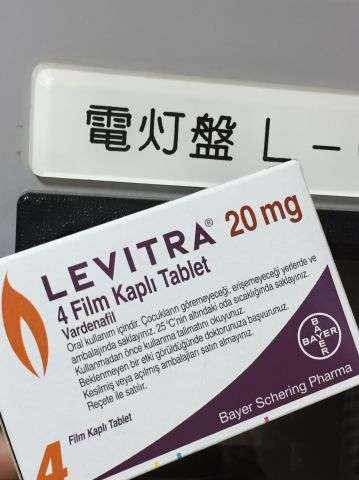
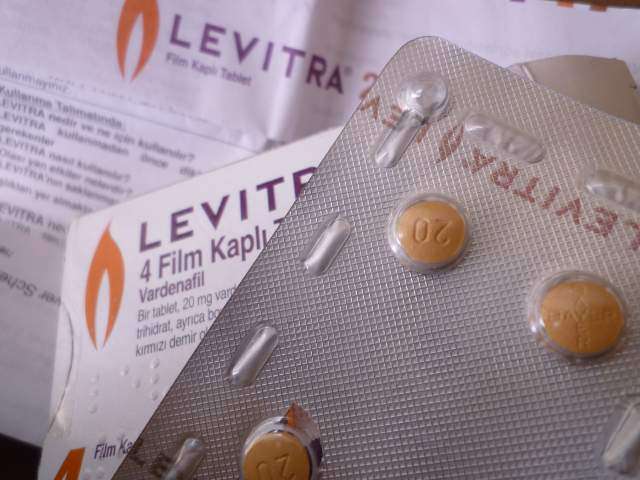
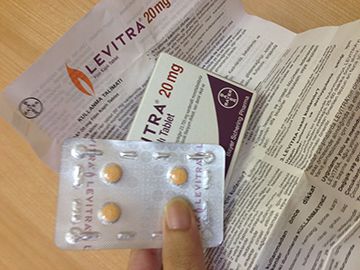
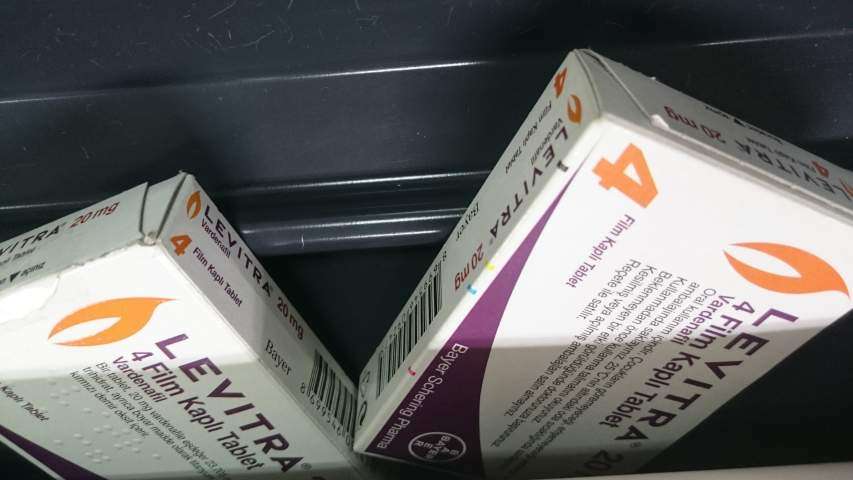
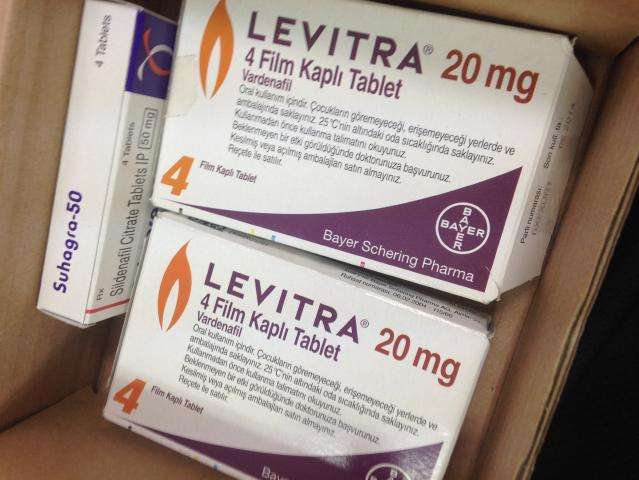
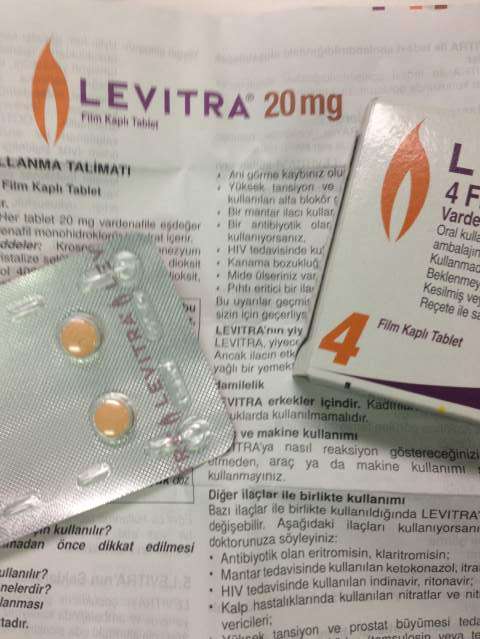
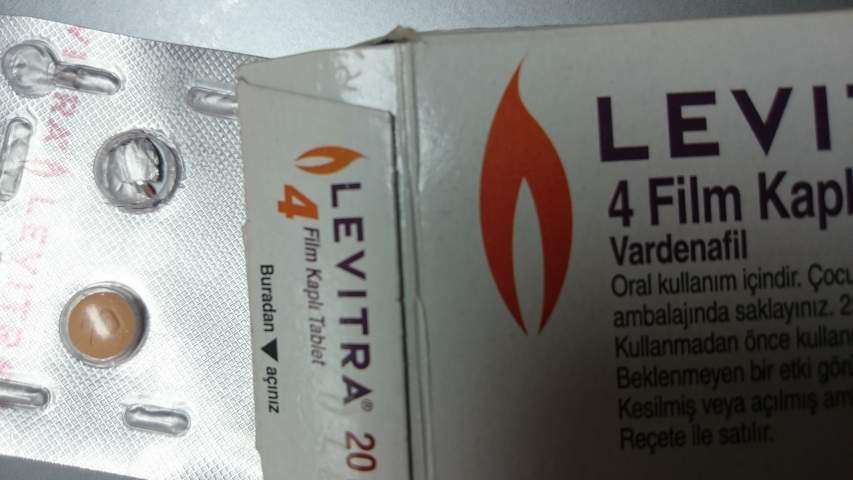
レビトラは、有効成分にバルデナフィルを使ったED治療の先発薬です。15分で効果が発現する即効性が特徴で、従来のED薬よりも速く効き目が現れるという利点から人気があります。臨床試験では86%の人に対してED改善効果が認められた勃起不全治療剤です。Bayer(バイエル)社より製造販売されています。
こちらの商品もおすすめ
売れ筋のジェネリックED薬3種セットです。カマグラゴールド、バリフ、タダシップの割引セットに、無料でピルカッターが付きます。ジェネリックED薬の飲み比べや入門セットとしておすすめです。
国内におけるレビトラ錠の製造販売中止について
2021年10月に発売元であるバイエル薬品株式会社から、レビトラ錠5mg、10mg、20mgの日本国内における販売中止が発表されました。現在、国内ではレビトラの正規品を処方する医療機関は存在しません。
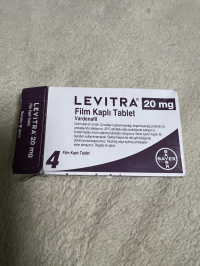
当サイトから購入できるのは、ヨーロッパ市場に向けて製造・販売されているレビトラ(LEVITRA® film-coated tablets)です。この製品はパッケージが英語表記であるなどの違いがありますが、かつて国内で販売されていたレビトラ錠と同等の効果・用法・安全性で使用できます。
- レビトラ錠の販売中止に関する販売企業(Bayer)からの案内文書
- 2021年10月:販売中止のお知らせ 勃起不全治療剤 レビトラ錠5mg、10mg、20mg
レビトラ錠からの切り替えにはジェネリックもおすすめ
国内でのレビトラ販売終了に伴い、海外版への切り替えを検討されている方には、コストパフォーマンスに優れたジェネリック医薬品もおすすめです。
バリフ20mgは、アジャンタファーマ社が製造販売するレビトラのジェネリック薬です。アジャンタファーマ社は、カマグラ(ジェネリックED治療薬のなかで知名度や注文数でNo.1)の製造元で有名な製薬会社。バリフ20mgも同様に、レビトラジェネリックのなかでは1番の人気商品です。
ビリトラは、センチュリオンラボラトリーズ社が製造販売するレビトラのジェネリック薬です。特徴は、価格の安さと成分量のバリエーション(10mg、20mg、40mg)が豊富な点。特に人気のビリトラ40mgは、半錠でレビトラ20mgと同等の効果を発揮します。コスパNo.1で人気上昇中のレビトラジェネリックです。
レビトラのご購入について
| 商品名 |
LEVITRA® 10mg & 20mg / Film Kapli Tablet |
| 内容量 |
4錠 |
| 有効成分 |
Vardenafil Hydrochloride Hydrate / バルデナフィル塩酸塩水和物 10mg & 20mg |
| 販売元 |
Bayer AG |
| 製造元 |
Bayer AG |
| 在庫 |
あり |
| 発送元 |
台湾 |
| 受取先 |
ご自宅、郵便局留め |
| 納期 |
7日から14日前後(入金確認後) |
| お支払方法 |
銀行振込 / クレジットカード決済 / あと払いサービス(ペイディ)※コンビニ払い対応 |
| 返品 |
返品不可。但し、誤送や明らかな破損の場合は7日以内の連絡で対応(※補償範囲と条件)。 |
| 医薬品 |
自己責任においてご使用ください。
|
- レビトラを安心してご購入いただくための取り組み
- 偽物が混入しない安全な流通ルートを確保するために、以下の対策を徹底しております。
- (1) ご注文の取り次ぎ先となるサプライヤーが持つ医薬品の取り扱いライセンスを十分に吟味しております。
(2) 専門機関への成分鑑定依頼を定期的に行い、偽造品混入の予防に最大限努めております。
レビトラの特徴
レビトラは、性交で勃起しない男性器の機能不全を治療する勃起不全治療剤です。バイアグラに次いで2番目に実用化されたED治療薬で、レビトラも勃起の仕組みに関わる酵素に対して作用するPDE5阻害薬に分類されます。
レビトラは有効成分としてバルデナフィルを配合しています。バルデナフィルは水に溶けやすく、服用後15分ほどで成分の80%以上が溶解します。溶解性に優れている成分の特性によって、レビトラは飲んですぐに効くED薬として知られています。
ED治療薬のなかでも効き目が現れるまでの時間が最も早く、素早く効果が実感できるのがレビトラの魅力です。

服用してから15分ほどで効果が現れますので、急な性交の機会や飲み忘れて服用が遅れてしまった場合でも対応でき、飲むタイミングを気にしなくてもレビトラをお使いになれます。
レビトラは挿入の頻度と勃起の維持を明確に改善します。

レビトラのED改善効果はED症状がある男性283名を対象とした臨床試験の結果から支持されています。
有効成分バルデナフィルとして5mg、10mg、20mgおよびプラセボ(有効成分を含まない偽薬)を服用するグループに分かれて、性交の1時間前に服用し行為を行う検証を12週間実施しました。
レビトラを服用する前は、挿入の頻度が平均して10回中3~4回程度でした。20mg錠を服用したところ、10回中7~8回ほどまで改善しました。勃起の維持は、10回中1~2回でしたが、レビトラの服用後は10回中7回程度まで改善されました。
ED改善効果は15の質問から成る勃起機能の指標の1つ、国際勃起機能スコア(IIEF)に基づいて検証されました。検証の結果から、挿入の頻度および勃起の維持について、有効成分の配合量に関わらず、レビトラの服用によって有意にスコアが上昇しました。プラセボと比較して有意な差が確認されたことで、勃起不全の症状を改善するレビトラの効果が実証されました。
10mg錠および20mg錠で85%以上のED改善率

有効成分バルデナフィルの配合量が異なる錠剤ごとにED改善率の検証がされています。最も高い有効性が確認されたのは20mg錠で86.4%の改善率でした。次いで10mg錠が85.3%、5mg錠で73.1%という結果が得られました。
20mg錠と10mg錠では、ED改善率がともに85%を超えており、ほとんど遜色のない有効性が確認されています。
レビトラの効果が持続する時間は、バルデナフィルの配合量によって差があることも確認されました。20mg錠は、服用から8時間ほど効果が持続しました。10mg錠は服用から5時間ほど効果が持続しました。
20mg錠と10mg錠のED改善率は同程度でしたが、効果が持続する時間の長さには明確な差があります。
レビトラとバイアグラは似ていますが明確な違いがあります。
1998年にバイアグラが承認されると、ED治療薬と呼ばれる内服薬で勃起不全の治療が行えるようになりました。
レビトラはバイアグラに次いで2番目に承認された勃起不全治療剤です。バイアグラとの違いは有効成分であり、シルデナフィルとバルデナフィルでは効果の現れ方や効き目が持続する時間などに違いがあります。バイアグラは革命的な治療薬でしたが、まだまだ改良できる余地もあり、以降に続くED薬では、バイアグラの問題点が改善されています。
レビトラが日本で承認されたのは2004年4月のことで、初めは5mgと10mgのみが承認されました。その後、10mgでは糖尿病や脊椎損傷を有する勃起不全患者に対して十分な効果が得られなかったことから20mgの使用が検討され、2007年5月に20mgの使用が承認されました。
成分の吸収効率の良さがレビトラとバイアグラの最たる違いです。バルデナフィルの特性により、使用する際の食事や服用するタイミングなど、より扱いやすく改善されています。
レビトラとバイアグラの比較
| 比較項目 |
レビトラ |
バイアグラ |
| 有効成分 |
バルデナフィル |
シルデナフィル |
| 効果発現までの時間 |
15分 |
30分 |
| 効果の持続時間 |
8時間 |
5時間 |
| 食事による影響 |
受けにくい |
受けやすい |
| 1錠あたりの相場 |
1,800円 (国内販売終了) |
1,750円 |
レビトラは効果が発現するまでが早い
レビトラの有効成分バルデナフィルは溶解、吸収が早く、素早く血液中に取り込まれます。その結果として、お飲みになってからおよそ15分ほどから効き目が実感できるようになります。
バイアグラの効果が発現するまでにおよそ30分ほど要しますので、比較してみるとレビトラの即効性が際立ちます。
食前食後どちらで服用してもレビトラは効果を発揮する
バイアグラは食事による影響を受けやすいという弱点があります。そのため、空腹時に飲むのが基本とされてきました。バルデナフィルの吸収効率の良さはここでも利点となります。レビトラの服用時に食事によって受ける影響を調査したデータによると、健康な成人男子24例で標準的な食事(総エネルギー700kcalかつ脂質の割合が30%)をした直後に20mg錠を服用したところ、空腹時の薬物動態と食後の薬物動態に有意な差はみられなかったという報告があります。つまり、標準的な食事であれば食前と食後のいずれに飲んでもレビトラは効果を発揮します。
実際にバイアグラと比較してみるとレビトラはED患者が使いやすいように改良されているのがわかります。こうしたレビトラの使用感を好む方も多く、今ではEDクリニックなどでも勃起不全を治療する薬として一般的に処方されるようになりました。また、有効成分バルデナフィルを配合したレビトラのジェネリックも数多く作られています。
バイアグラなどのED薬とレビトラは併用できません。
レビトラとバイアグラは、有効成分こそ異なる薬ですが、陰茎周辺の血管を拡張する働きや作用の仕組みは酷似しています。そのため、レビトラとバイアグラを併用すると副作用が増強される恐れがあります。バイアグラやシアリスなどのED治療薬および血管拡張剤や抗不整脈の薬とレビトラを併用してはいけません。
レビトラの効果
- 効能・効果
- 勃起不全
- (1) 満足な性交を行うに十分な勃起とその維持ができない男性に有効です。
効果の目安
| 効きはじめ |
15分後から |
| 効果のピーク |
45分後から |
| 効果の持続時間 |
10mg錠の場合 … 5時間
20mg錠の場合 … 8時間 |
レビトラは、挿入前に萎えてしまう、挿入しても途中で萎えてしまう(中折れ)、挿入可能な硬さに勃起しないといった勃起不全の症状を改善する効果があります。
レビトラの効果が発現している時間内に性的刺激を受けると硬さと持続力のある勃起が得られます。性的興奮が鎮まると自然と勃起も収まります。性的な刺激を受けることで効果を発現する薬です。服用しただけで強制的に勃起してしまうことはありません。
レビトラは15分ほどで効き始めて用量に応じて5~8時間ほど持続します。
服用してから15分程度でレビトラの効果が発現し、45分後に血液中の成分濃度がピークに達します。3~4時間後には効き目が徐々に緩やかになる半減期となり、次第に効果がなくなっていきます。
効果がなくなるまで、10mg錠で5時間、20mg錠で8時間ほど効き目が持続します。
服用する成分用量によってレビトラの効果が持続する時間は異なります。
レビトラの効果について
有効成分バルデナフィルが勃起を収める酵素の働きをブロックして陰茎周辺の血流を増やします。

レビトラの有効成分バルデナフィルはホスホジエステラーゼ5(PDE5)の働きを阻害します。PDE5は血管拡張作用がある環状グアノシン一リン酸(cGMP)という酵素を分解し、陰茎海綿体の血管を収縮させてしまいます。
バルデナフィルの働きでPDE5がブロックされると陰茎周辺にある血管が拡張されやすい状態となり、性的興奮によって勃起を促す作用をします。
性的興奮によってcGMPが分泌されます。cGMPの働きで血管が拡張されることで陰茎が勃起します。
バルデナフィルは、PDE5を阻害することで相対的にcGMPを優位にします。cGMPの血管拡張作用が十分に働くよう作用して、勃起を補助します。
バルデナフィルが配合されている通販商品と成分について
レビトラの飲み方(用量・用法)
下記の用量を守って、性交の1時間前に水またはぬるま湯と一緒に服用してください。
用量・用法
| 1回の用量 |
10mg錠の場合 … 1~2錠
20mg錠の場合 … 1/2~1錠
(バルデナフィルとして10~20mg) |
| 1日の服用回数 |
1回まで |
| 服用間隔 |
必ず24時間空けること |
| 服用のタイミング |
性交の1時間前 |
レビトラを初めて服用する場合の推奨用量は、1回あたりバルデナフィルとして10mgです。10mg服用時における効果が不十分かつ身体への負担が許容範囲内であれば、次回の服用から1回20mgまで増量できます。
ただし、高齢者(65歳以上)や中等度の肝障害がある男性の場合は、開始用量を1回5mg、次回の服用から増量する場合は1回10mgまでとされています。
レビトラを服用する基本的なタイミングは、性行為を開始する約1時間前とされています。空腹時の方が即効性を引き出せますが、700kcal以下の低脂肪食であれば食後に服用しても問題ありません。
いずれの場合も、レビトラの服用回数は1日1回までとなり、24時間以上の服用間隔が必要です。
マクロライド系抗生物質またはα遮断薬を併用する場合の用量
レビトラとチトクロームP450 3A4を阻害する薬剤(マクロライド系抗生物質)またはα遮断薬と併用する場合は、1回5mgの用量が推奨されています。
マクロライド系抗生物質を併用する場合は1回5mgが上限です。α遮断薬を併用する場合は、医師に相談のうえ、1回5mgの用量で服用を開始しましょう。
どちらの薬剤も、レビトラとの併用時に血圧低下に伴うリスクが高まりやすくなります。低用量への調節を忘れず行ってください。
- レビトラの飲み方についての参考サイト
- 医療用医薬品 : バルデナフィル (バルデナフィル錠10mg「サワイ」 他)(添付文書情報:6.用法及び用量、7. 用法及び用量に関連する注意)
- ※バイエル薬品株式会社からのレビトラ販売中止に伴い添付文書情報が削除されたため、後発薬の情報を参考にしています。
- レビトラとアルコールの飲み合わせ
- 有効成分バルデナフィルとアルコールの相互作用は認められていませんが、お酒を飲み合わせる際は以下に気を付けてください。
- (1) お酒に弱い方は飲酒を控えるなど、体質に応じた適量よりも少なめのアルコール摂取を心がけましょう。
(2) お酒を飲み過ぎると勃起を調節する脳の機能が不安定になり、十分な薬効を得られない場合があります。
(3) 多量のアルコールを同時に摂取すると、急激な血圧低下を招く恐れがありますので控えてください。
レビトラの注意事項
警告
レビトラと硝酸剤、あるいはレビトラと一酸化窒素(NO)供与剤を併用してはいけません。硝酸剤やNO供与剤(ニトログリセリン、亜硝酸アミル、硝酸イソソルビド、ニコランジル等)をレビトラと併用すると、相互作用により降圧効果が増強します。過度な血圧低下を招きますので、レビトラを服用する前後においても、硝酸剤または一酸化窒素(NO)供与剤を服用していないか確認しましょう。
また、心血管系障害がある方はレビトラが禁じられています。心筋梗塞など、命の危険に関わる重症例に発展する恐れがあります。レビトラを服用する前に、心血管系障害がないかどうか十分に確認を行ってください。
禁忌
次に当てはまる方はレビトラを服用できません。
- バルデナフィル塩酸塩水和物に対して過敏症の既往歴がある方
- 硝酸剤あるいは一酸化窒素(NO)供与剤(ニトログリセリン、亜硝酸アミル、硝酸イソソルビド、ニコランジル等)を服用中の方
- 心血管系障害を患っているなど性行為が不適当と考えられる方
- 先天性のQT延長患者(QT延長症候群)、クラスIA(キニジン、プロカインアミド、ジソピラミド(経口剤)、シベンゾリン、ピルメノール)又はクラスIII(アミオダロン(経口剤)、ソタロール)の抗不整脈薬を服用中の方
- 脳梗塞・脳出血や心筋梗塞の既往歴が最近6ヵ月以内にある方
- 重度の肝障害がある方
- 血液透析が必要な腎障害がある方
- 低血圧の方(最高血圧が90mmHg未満)
- 治療による管理がなされていない高血圧(安静時の最高血圧が170mmHg以上、または安静時の最低血圧が100mmHg以上)
- 不安定狭心症がある方
- リオシグアト、CYP3A4を阻害する薬剤(リトナビル、アタザナビル、ホスアンプレナビル、ロピナビル・リトナビル、ニルマトレルビル・リトナビル、ダルナビルを含有する製剤、ケトコナゾール(外用剤を除く)、イトラコナゾール、エンシトレルビル、コビシスタットを含有する製剤)を服用中の方
- 網膜色素変性症がある方
特に注意して使う必要がある人
次に当てはまる方はレビトラを服用する前に医師に相談してください。
- 陰茎の構造上欠陥(屈曲、陰茎の線維化、Peyronie病など)がある方
- 持続勃起症の素因となり得る疾患(鎌状赤血球性貧血、多発性骨髄腫、白血病等)がある方
- PDE5阻害薬または他の勃起不全治療薬を服用中の方
- 出血性疾患または消化性潰瘍がある方
- 大動脈弁狭窄症、特発性肥大性大動脈弁下狭窄症等、左室流出路の閉塞がある方
- 中等度の肝障害がある方(ただし、肝機能障害が重度な場合は服用できません)
- 高齢者
- 基本的な注意事項
- 4時間以上の勃起の延長、または持続勃起(6時間以上持続する痛みを伴う勃起)が、少数例ではありますが海外での市販後に起きた有害事象として報告されています。持続勃起に対する処置を速やかに行わないと、陰茎組織の損傷、または勃起機能を永続的に損なう可能性があります。もし勃起が4時間以上持続するような場合、すぐに医師の診断を受けてください。
- 臨床試験では、めまいや視覚障害が確認されています。自動車の運転や機械の操作に従事する場合には注意してください。
- レビトラの服用後に、急激な視力低下、または急激な視力喪失があらわれた場合には、本剤の服用を中止して、速やかに眼科専門医の診察を受けてください。
- レビトラの注意事項についての参考サイト
- 医療用医薬品 : バルデナフィル (バルデナフィル錠10mg「サワイ」 他)(添付文書情報:1.警告、2. 禁忌、8. 重要な基本的注意、9. 特定の背景を有する患者に関する注意)
- ※バイエル薬品株式会社からのレビトラ販売中止に伴い添付文書情報が削除されたため、後発薬の情報を参考にしています。
レビトラの相互作用
併用禁忌とはレビトラと一緒に飲んではいけない薬です。併用すると重篤な副作用が発生する場合があります。レビトラと併用しないでください。
併用注意とはレビトラと飲み合わせの悪い薬です。併用すると(1)作用の減弱、(2)副作用の増強など、体に悪い影響がでるおそれがあります。注意しながら使うか、併用は避けることが望ましいでしょう。
- 併用禁忌
- 硝酸剤及びNO供与剤 (ニトログリセリン、亜硝酸アミル、硝酸イソソルビド、ニコランジル等)
- リオシグアト(アデムパス)
- CYP3A4を阻害する薬剤 (リトナビル(ノービア))
- アタザナビル(レイアタッツ) (ホスアンプレナビル(レクシヴァ) など)
- ケトコナゾール(外用剤を除く)
- エンシトレルビル(ゾコーバ)
- コビシスタットを含有する製剤(スタリビルド、ゲンボイヤ、プレジコビックス、シムツーザ)
- クラスIA抗不整脈薬 (キニジン、プロカインアミド(アミサリン)、ジソピラミド(リスモダン(経口剤))、シベンゾリン(シベノール)、ピルメノール(ピメノール) 等)
- クラスIII抗不整脈薬(アミオダロン(経口剤)、ソタロール)
- 併用注意
- CYP3A4を阻害する薬剤 (マクロライド系抗生物質(エリスロマイシンなど))
- ビカルタミド
- CYP3A4を誘導する薬剤 (リファンピシン等)
- カルペリチド
- α遮断薬 (テラゾシン、タムスロシン等)
- レビトラの相互作用についての参考サイト
- 医療用医薬品 : バルデナフィル (相互作用情報)
- ※バイエル薬品株式会社からのレビトラ販売中止に伴い添付文書情報が削除されたため、後発薬の情報を参考にしています。
レビトラの副作用
レビトラの副作用は、ほてりや頭痛といった軽度かつ一時的な症状が大半です。
副作用が発症したとしても、服用から4時間ほどで有効成分血中濃度が半減し、多くの場合で症状は軽快します。
レビトラの副作用について
- 発生頻度:1%以上
- ほてり(10.6%)、心悸亢進
- 頭痛(11.7%)、めまい
- 鼻閉
- 消化不良、嘔気
- 発生頻度:0.1~1%未満
- 頻脈、高血圧
- 不眠症、異常感覚、傾眠、眩暈、感覚鈍麻
- 肝機能検査異常、γ-GTP上昇
- 副鼻腔うっ血、呼吸困難、鼻出血
- 背部痛、筋肉痛
- 紅斑、発汗、そう痒、光線過敏性反応、発疹
- 腹痛、口内乾燥、下痢、胃炎、嘔吐、胃食道逆流
- 視覚異常、結膜炎、霧視、羞明、彩視症、眼痛、耳鳴、流涙
- CK上昇、灼熱感、無力症、胸痛、異常感、勃起増強(勃起時疼痛等)
- 発生頻度:0.1%未満
- 失神、低血圧、顔面浮腫、心筋虚血、心筋梗塞
- 不安、緊張亢進、一過性全健忘
- 関節痛、頸部痛
- 嚥下障害、食道炎
- インフルエンザ症候群、射精障害、アナフィラキシー反応、持続勃起
- 発生頻度:不明
- 起立性低血圧、狭心症
- 緑内障
- レビトラの副作用についての参考サイト
- 医療用医薬品 : バルデナフィル (バルデナフィル錠10mg「サワイ」 他)(添付文書情報:11.副作用)
- Levitra (Vardenafil HCl): Side Effects, Uses, Dosage, Interactions, Warnings
- ※バイエル薬品株式会社からのレビトラ販売中止に伴い添付文書情報が削除されたため、後発薬の情報を参考にしています。
- レビトラの保管方法
- 光、温度、湿度などにより、効果が損なわれる場合があります。以下を守って保管してください。
- (1) 高温多湿を避けて、直射日光があたらないところで保管してください。
(2) 日中に長時間にわたって車中に置かないようにしてください。
(3) お子様の手が届かないところで保管してください。
(4) 使用期限を過ぎた場合は破棄してください。
(5) 分割した錠剤はなるべくお早めに使用してください。
![[204時間限定] 夏のタイムセール](/template/default/img/campaign/20260716/bn-campaign-a-20260716.webp)