50代 女性会員さん
に投稿
くすり
どりんく
or
? =
clear body
medicine
ばらしくろびる
ばるとれっくす
1か月いじょう
とって 治る

バルトレックスには500mgと1000mgがあります。
この商品は売り切れとなっています。再入荷するまでしばらくお待ちください。
商品の入荷があった場合のみ、再入荷通知メールをお届けします。
商品の確保をお約束するものではございません。ご登録いただいた商品の再入荷がない場合は、1年間を期限に通知を取り消させて頂きます。予めご了承ください。
ご登録商品の値引きは、再入荷の通知から30日間有効です。
※再入荷通知は会員向けサービスです。初めてご利用の方は会員登録が必要です。
※@icloud.com は当店からのメールを受信しないことがあります。通知が受信できるよう、@icloud.com 以外のメールアドレスへのご変更をおすすめいたします。


| 数量 | 通常価格 | 通販特価 | 1錠あたり | ご注文 |
|---|---|---|---|---|
| 1 |
4,180円
|
418円 |
売り切れ
|
|
| 2 |
|
20%OFF
6,688円
|
334円 |
売り切れ
|
| 3 |
|
25%OFF
9,405円
|
314円 |
売り切れ
|
| 数量 | 通常価格 | 通販特価 | 1錠あたり | ご注文 |
|---|---|---|---|---|
| 1 |
6,880円
|
328円 | ||
| 2 |
|
20%OFF
11,008円
|
262円 | |
| 3 |
|
25%OFF
15,480円
|
246円 |
バルトレックスは、バラシクロビルを有効成分としたヘルペス治療薬の先発品です。単純疱疹、帯状疱疹など、全般的に有効で、臨床成績では95.9%に効果がありました。従来薬と比較して、飛躍的に服用回数が改善されています。Glaxo Smith Kline(グラクソスミスクライン)社より製造販売されています。
ヘルペス治療薬の注文実績No.1、バルトレックスのジェネリック薬「バルクロビル」です。バルトレックス500mg、バルトレックス1000mgと同一成分なので同等の効果が期待できます。まとめ買いの割引きも大きい、コスパの良い商品です。
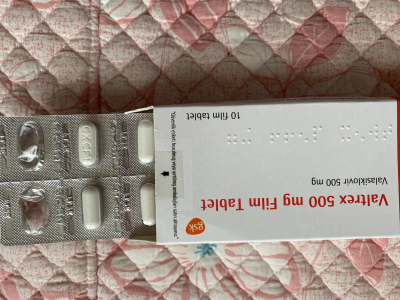
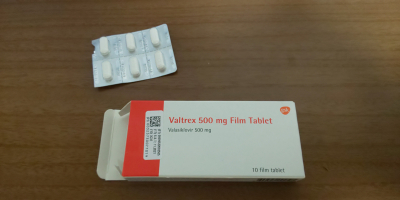
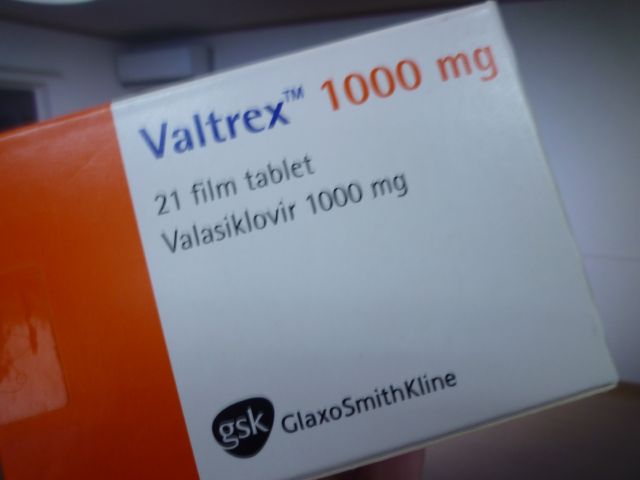
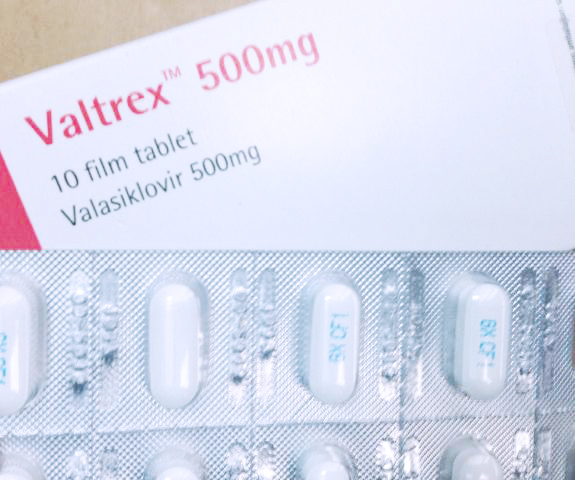
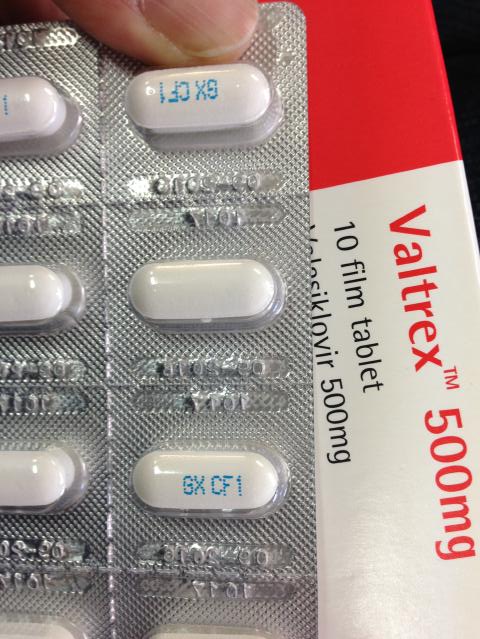
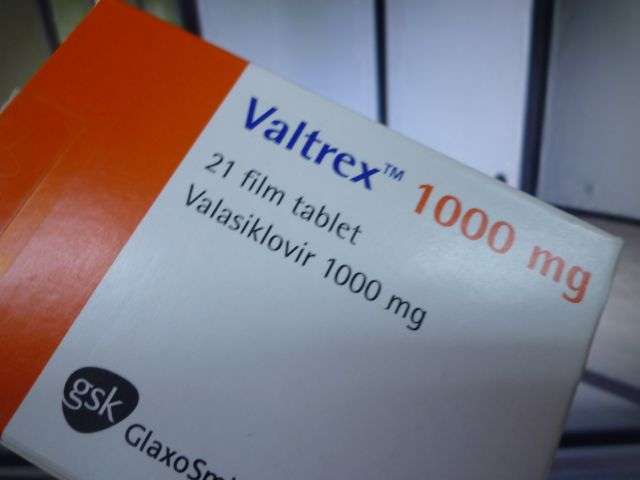
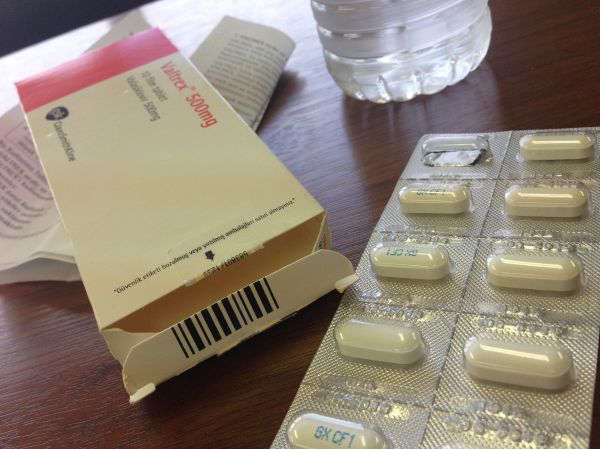
| 商品名 | Valtrex 500mg Film Kapli Tablet & Valtrex 1000mg 21 film tablet |
|---|---|
| 内容量 | 10錠 & 21錠 |
| 有効成分 | valaciclovir / バラシクロビル塩酸塩 500mg & 1000mg |
| 販売元 | GlaxoSmithKline |
| 製造元 | GlaxoSmithKline |
| 発送元 | 台湾 |
| 受取先 | ご自宅、郵便局留め |
| 納期 | 7日から14日前後(入金確認後) |
| お支払方法 | 銀行振込 / クレジットカード決済 / あと払いサービス(ペイディ)※コンビニ払い対応 |
| 返品 | 返品不可。但し、誤送や明らかな破損の場合は7日以内の連絡で対応(※補償範囲と条件)。 |
| 医薬品 | 自己責任においてご使用ください。 |
バルトレックスは、抗ヘルペスウイルス薬に分類される抗ウイルス化学療法剤です。
単純疱疹や帯状疱疹、性器ヘルペス、水ぼうそうなど、ヘルペスウイルスを原因とする疾患の治療に用いられているヘルペスウイルス感染症治療薬です。
従来より使われていたヘルペスウイルス感染症治療薬には、治療するにあたって服用回数が多いという難点がありました。バルトレックスはヘルペス治療薬の服用回数を減らすために従来薬に改良が加えられています。
バルトレックスの登場によって、服用回数が多いという問題が劇的に改善されました。従来薬が1日5回の服用回数であったのに対して、バルトレックスは1日2回の服用で済みます。
バルトレックスは服用回数が従来薬の半分以下でも、ヘルペスの治療ができるように改良されています。もちろんヘルペスの治療効果は維持されていますので、薬を多く飲むわずらわしさだけが改善された抗ヘルペスウイルス薬として、バルトレックスは第一選択されています。

ゾビラックスの吸収効率を向上させることによって、バルトレックスは服用回数を半分以下に減少させることを可能にしています。バルトレックスの有効成分であるバラシクロビルは、体内で代謝を受けた後、ゾビラックスの有効成分アシクロビルに変化するようにつくられています。代謝による分解からアシクロビルが守られますので、成分の吸収効率が大幅に改善されています。

バルトレックスは、ウイルスの増殖を抑制する作用によって、ヘルペスに対して高い有効性を発揮します。ウイルスの増殖が止められることで、病変部の拡がりや炎症の悪化が最小限に抑えられ、治癒までの期間を早めることができます。
日本性感染症学会の発表によると、本来の病期が2~3週間である急性型のヘルペスに対し、治療薬を服用することによって最短1週間での治癒が可能とされています。
バルトレックスのヘルペスに対する高い有効性は、日本国内で承認時に行われた臨床試験によって実証されています。
147名を対象として、バルトレックスを1日2錠(500mg)使用した結果、95.9%にあたる141名に対して病期の短縮などの有効性が示されました。

頻繁に再発を繰り返す性器ヘルペスに対しては、バルトレックスを毎日服用することで再発を予防できます。日本国内でこういった再発抑制療法が承認されているのは、バルトレックスによるヘルペス再発抑制治療だけです。
バルトレックスの再発抑制治療の効果については、性器ヘルペスを年間8回以上繰り返している患者を対象にした4ヶ月(16週間)の臨床試験で実証されています。
臨床試験では、バラシクロビルが投与されるグループ288例と、プラセボ(効果のない偽薬)が投与されるグループ94例に分けられ、未再発率が比較されました。
未再発率に関してプラセボとの大きな差が確認されたことで、バルトレックスの優れた再発抑制効果が示されました。
バルトレックスの再発抑制治療には、治療中のみならず、服薬を終了した後のヘルペスの再発頻度を低下させる効果も期待できます。
ヘルペスの再発を繰り返している方の多くは、ウイルスが末端の神経細胞にまで潜伏していることが考えられます。
末端の神経細胞には寿命がありますので、バルトレックスを服用している期間中に寿命を迎えた細胞のぶんだけウイルスの数を減らすことができます。

バルトレックスの抗ウイルス作用は、帯状疱疹や水ぼうそうに対しても有効性を発揮します。
帯状疱疹や水ぼうそうに対するバルトレックスの効果は、販売後に行われた使用成績調査によって明確に示されています。
2,891例を対象とした帯状疱疹に対するバルトレックスの有効性を示す使用成績調査では、97.75%(2,826/2,891例)の改善率が確認されています。
349例を対象とした水ぼうそう治療における使用成績調査では、99.4%(347/349例)という極めて高い改善率が確認されました。
通常では治癒までに3週間かかるとされている帯状疱疹や水ぼうそうを、バルトレックスは7~10日ほどで治すことが可能です。バルトレックスにはウイルスによる神経の炎症を防ぐ働きがあり、痛みの症状を緩和する効果もあります。
帯状疱疹の治療においては、早めにバルトレックスの服用を始めることで、後遺症である神経痛を予防することができます。
バルトレックスは、性器・口唇ヘルペスや帯状疱疹、水ぼうそうの治療薬です。バルトレックスの効果によってウイルスの増殖や病変の拡がりを最小限におさえることで、病期を短縮することができます。
突発的に起きるヘルペスや帯状疱疹への治療効果はもちろんのこと、再発を繰り返す性器ヘルペスへの予防効果も期待できます。
バルトレックスは、ウイルスのDNAの複製を阻害する薬です。DNAの複製を阻害することによって、ウイルスの増殖を抑制します。バルトレックスが、ヒトの細胞やDNAに対して悪影響を与えることはありません。

バルトレックスの有効成分バラシクロビルは、体内で代謝を受けた後、アシクロビルへと変換されます。
アシクロビルは、DNAを構成する物質の1つであるdGTPと非常によく似た構造をしており、ウイルスに感染された細胞内でリン酸化という化学反応を受けることでdGTPの代わりにDNAに取り込まれます。
dGTPと間違ってアシクロビルを取り込んでしまったDNAは、正常に複製が行えなくなります。
アシクロビルがDNAに取り込まれる際に行われるリン酸化には、感染された細胞内から誘導される酵素(チミジンキナーゼ)が必須です。ウイルスに感染されていない正常な細胞内ではリン酸化が起きないため、アシクロビルがDNAに取り込まれることがありません。
下記の用量を守って、水またはぬるま湯と一緒に服用してください。
| 1回の用量 | 500mg錠の場合 … 1錠 1000mg錠の場合 … 1/2錠 (バラシクロビルとして500mg) |
|---|---|
| 1日の服用回数 | 1. 治療の場合 … 2回 2. 再発予防の場合 … 1回 |
| 服用する期間 | 1. 治療の場合 … 5日間 2. 再発予防の場合 … 最低3ヶ月 |
| 服用間隔 | 12時間空けること |
| 1回の用量 | 500mg錠の場合 … 2錠 1000mg錠の場合 … 1錠 (バラシクロビルとして1000mg) |
|---|---|
| 1日の服用回数 | 3回(朝・昼・晩) |
| 服用する期間 | 7日間 |
| 1回の用量 | 500mg錠の場合 … 2錠 1000mg錠の場合 … 1錠 (バラシクロビルとして1000mg) |
|---|---|
| 1日の服用回数 | 3回(朝・昼・晩) |
| 服用する期間 | 5から7日間 |
バルトレックス500mg錠には、1箱の中に性器・口唇ヘルペスの治療に必要な5日分の薬剤が入っています。薬剤が残っている段階で症状が治まったとしても、自己判断での中断はせずに、必ず最後までバルトレックスを飲みきりましょう。但し、重い症状のみられる急性型のヘルペスにおいては、バルトレックスの服用期間を最大まで10日間まで延長することがあります。ヘルペスの発症が初めてであり、急性型のヘルペスの発症が疑われる場合には、バルトレックスを2箱揃えておくと安心です。
バルトレックスはウイルスの増殖を抑制する薬です。ウイルスの増殖が最も盛んに行われるヘルペスの発症初期の段階で服用を始めると効果が出やすくなります。再発を繰り返すヘルペスに対しては、患部にチクチクやムズムズなどの再発の予兆を感じた時点ですぐにバルトレックスの服用を始めるようにしましょう。
頻繁に再発を繰り返すヘルペスへの予防として服用する場合には、3~6ヶ月ほどの継続的な服用によって、自覚症状はほとんど現れなくなるのが一般的です。日本性感染症学会のガイドラインにおいてバルトレックスは「約1年間継続し、期間中に再発がみられるようならば更に続ける」とされています。
バルトレックス1000mg錠には、帯状疱疹・水ぼうそうの治療に必要な7日分の薬剤が1箱に入っています。飲み忘れに十分注意して、1箱分(7日分)の薬剤は必ず全て飲みきってください。
次に当てはまる方はバルトレックスを服用できません。
次に当てはまる方はバルトレックスを使用する前に医師に相談してください。
併用注意とはバルトレックスと飲み合わせの悪い薬です。併用すると(1)作用の減弱、(2)副作用の増強など、体に悪い影響がでるおそれがあります。注意しながら使うか、併用は避けることが望ましいでしょう。
併用禁忌とはバルトレックスと一緒に飲んではいけない薬です。該当する薬はありません。
バルトレックスの主な副作用はめまいなどの意識障害、肝機能の低下による胃腸障害などです。
副作用の頻度は低いですが、まれに重度の精神神経症状(アシクロビル脳症)が起こる場合があります。
アシクロビル脳症で報告されている症例の多くは、帯状疱疹の治療で1日3000mgのバラシクロビルを摂取した高齢者です。該当する場合は使用前に医師に相談をしましょう。
どりんく
or
? =
clear body
medicine
ばらしくろびる
ばるとれっくす
1か月いじょう
とって 治る
必ずヘルペスが悪化してとんでもないことになってしまっていたので服用するタイプの薬に変えました。そしたら劇的に効いてくれ、それからはヘルペスが悪化するということがゼロになりました。まさかここまで効くと思っていなかったので驚いてます。
ヘルペスの飲み薬です。今までは塗るタイプのヘルペス薬を使っていたのですが、飲み薬があるということで使ってみました。すると、効果がすごい!飲むとすぐに治ります。というか、治ってもまた再発するということがありません。塗り薬の場合はかなりの確率で再発していたので嬉しい限りです。
たまにピリッと痛むことがあるので服用しています。唇や帯状疱疹っぽい痛みの時などに使っています。帯状疱疹はいまいち分からないのですが、ピリッと痛む時は構わず飲んでしまっています。そして飲むと改善します。ヘルペスや帯状疱疹はよくなるのであると助かります。
ヘルペスごときで飲み薬か…と思ったのですが、意外にも今はヘルペスにも飲み薬が主流になっているみたいなので思い切って飲んでみました。結果、なんてことはなく、ちゃんと効いてくれました。副作用もありませんでした。過剰に飲みすぎるのは問題ですが、適材適所で必要な時に用いるのは問題ないと思います。
すぐに治した時はこのバルトレックスを使ってます。使うと3~4日でよくなりますね。特に予定がなくすぐに治さなくてもいい…という時は塗り薬で治してます。私はこんな感じで使い分けています。特に副作用などもありません。梱包に問題もありません。
ヘルペスを治したくて注文
1日1回飲んでいたが5日目で体がだるくなりヘルペスが余計酷くなってきたため、服用をやめました。
その後身体中に発疹ができ、微熱が続いています。生活にも支障が出で、仕事もまともに行けません。
医者に相談したら副作用の例が多い薬なので捨ててくださいと怒られました。未だに発疹と発熱は治りません。喉の痛みもあり、喉が腫れています。
この薬を購入しようと考えている方がいらっしゃったら、絶対に飲まない方がいいです。
疲れるとヘルペスが直ぐ出るので常備していて助かっています。ありがとうございます!